






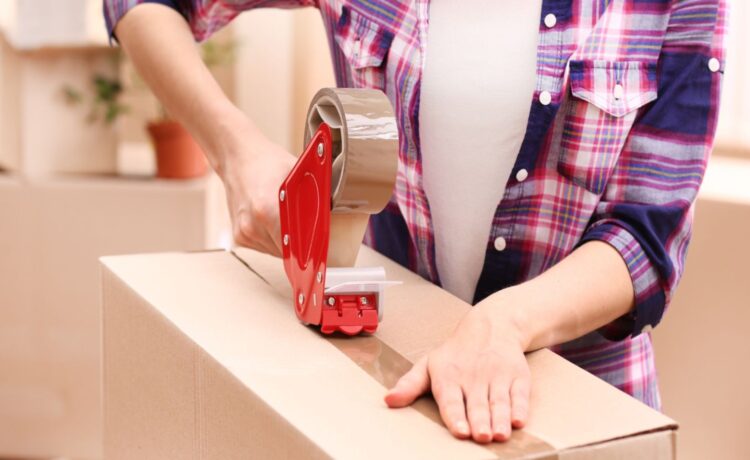
Moving within or to Roselle doesn’t have to feel like a marathon with a dolly. With the right packing and unpacking services, families and busy professionals can save time, protect their belongings, and settle into their new homes faster. This guide breaks down how professional packers work, what systems they use, and how Roselle Moving Services, such as those offered by Alliance Moving & Storage, streamline the entire process from the first box to the final picture frame on the wall.
How professional packers ensure speed and consistency on moving day
Professional packers don’t show up with guesswork: they arrive with a plan, a toolkit, and repeatable processes that convert moving chaos into a smooth sequence of steps.
Pre-move walkthrough and sequencing
Before a single box gets taped, crews perform a quick walkthrough to map the packing order: least-used rooms first, daily essentials last. This prevents bottlenecks on moving day and ensures the loading crew can move through the home in a clean sweep rather than jumping between rooms.
Dedicated roles and checklists
Teams divide and conquer. One person wraps and pads, another builds and labels boxes, a third stages items near exits. Standardized checklists, inventory counts, fragile flags, room codes, keep everyone aligned. The result is predictable progress by the hour, which is especially helpful when elevators, loading docks, or Roselle street-parking windows are limited.
Right tools, fewer delays
Speed doesn’t come from rushing: it comes from using the right tools. Pro packers bring tape dispensers, adjustable wardrobe boxes, mattress bags, furniture sliders, and protection like corner guards. They also pre-stock spare materials to avoid last-minute store runs.
Local expertise matters
Crews familiar with Roselle neighborhoods and building rules know when to reserve elevator time, where trucks can stage safely, and how to time departures to dodge rush-hour pinch points. Providers like Alliance Moving & Storage build those realities into the schedule so everything runs on time.
The payoff: consistent pace, fewer surprises, and a move that feels organized from the first open drawer to the final loaded box.
The benefits of systematic labeling for effortless unpacking
Labeling isn’t busywork, it’s the difference between an easy first night and hunting for a toothbrush in a sea of boxes.
The room-code + content method
Professionals use two layers of ID on each box:
- Room code: LR (Living Room), K (Kitchen), BR2 (Bedroom 2), etc.
- Content snapshot: “Pots & pans,” “Winter coats,” “Board games.”
This dual system directs movers to the right room instantly and tells the unpacking team what to prioritize first.
Color-coding for instant recognition
A roll of color tape per room speeds everything up. Blue for kitchen, yellow for living room, green for primary bedroom, no squinting at fine print while someone holds a 50-pound box. Color maps taped near the entryway help crews land items in the correct rooms without asking.
Priority and fragility flags
Boxes marked “OPEN FIRST” contain day-one essentials: bedding, a small tool kit, toiletries, basic cookware. Fragile icons (glass, arrows for up-orientation) ensure teams load and stack correctly in the truck and at destination.
Inventory for peace of mind
For larger homes or long-distance moves, a simple spreadsheet or moving app tracks box counts per room and high-value items. It’s reassuring, and it reduces claims because nothing goes missing in the shuffle.
With systematic labeling, unpacking turns into guided assembly rather than a scavenger hunt. Roselle Moving Services that lean on these systems, like those offered by Alliance Moving & Storage, help families settle faster with less stress.
Time-saving packing materials and reusable box systems
Quality materials do more than protect, they cut packing time and simplify setup at the new place.
Materials that move the needle
- Wardrobe boxes: Clothes move straight from closet to box to closet, no folding, no wrinkling.
- Dish barrels with cell dividers: Plates and glasses pack quickly and survive bumps.
- Stretch wrap and foam wrap: Faster than paper for odd shapes and furniture with drawers.
- Picture/mirror cartons: Adjustable two-piece cartons secure art, mirrors, and framed photos.
- Mattress bags and sofa covers: Keep upholstery clean and protected in transit.
Reusable crate systems
Reusable plastic totes (often rented by week) stack securely, don’t require tape, and come with tamper-resistant lids. They’re faster to load, easier on hands, and friendlier to the environment. Many professional crews deliver and pick up crates on a schedule, which means fewer errands for the customer.
Furniture protection that speeds loading
Quilted pads, corner guards, and runner mats protect both items and doorways. That protection prevents damage and lets movers carry larger items with confidence, cutting total trips up and down stairs.
Smart staging zones
Materials matter, but where they’re placed matters too. Pros set up a box-building station near the home’s entry and create staging zones by room. When each zone has the right supplies, tape, markers, cushioning, packing flows without backtracking.
Providers experienced in Roselle homes and condos bring the right mix of materials to match local building layouts, saving time and reducing waste from over-ordering supplies.
Fragile-item handling techniques reducing breakage risk
Breakage isn’t just costly: it’s heartbreaking. Professional techniques minimize risk without slowing the day.
Wrapped, cushioned, immobilized
- The bundle method: Stemware wrapped individually, then bundled in twos with added cushion for stability.
- Void fill done right: Peanuts or paper fill dead space to prevent shifting: heavy items never sit on lighter ones.
- Plate-on-edge packing: Plates ride vertically with cardboard dividers, much stronger than stacking flat.
Custom crating and specialty care
High-value art, sculptures, and large TVs often get custom crates or foam-in-place packaging. For record collections, vintage electronics, or musical instruments, pros use anti-static wraps, climate-aware loading, and orientation labels to keep items upright and safe.
Furniture and appliance protection
Glass doors come off cabinets: hardware goes in a labeled bag taped to the piece. Appliances are braced and capped, hoses taped and labeled, and refrigerator lines protected to avoid drips in the truck.
Load planning matters
Fragile boxes load high and tight, never under heavy furniture. In the new home, they’re staged out of foot traffic so unpackers can work methodically.
Experienced crews, such as those at Alliance Moving & Storage, combine these practices with meticulous labeling so fragile pieces arrive ready for display, not repair.