







Dock doors often take the brunt of daily operations, but few realize just how much damage a poorly protected loading dock can sustain. Steel frames, concrete edges, and insulated doors are no match for the constant impact of trucks unless there’s a buffer in place. Inflatable dock seals have stepped into this role, not only cushioning equipment but also preserving the integrity of entire buildings. Yet, myths around their effectiveness and durability persist.
Debunking Common Myths About Inflatable Dock Seals and Structural Damage
Some believe inflatable dock seals are little more than oversized air cushions. This misconception leads to doubts about their usefulness and longevity, especially in busy industrial settings. It’s time to separate myth from fact, starting with the most persistent misunderstandings.
Myth 1: Inflatable Dock Seals Don’t Prevent Structural Damage
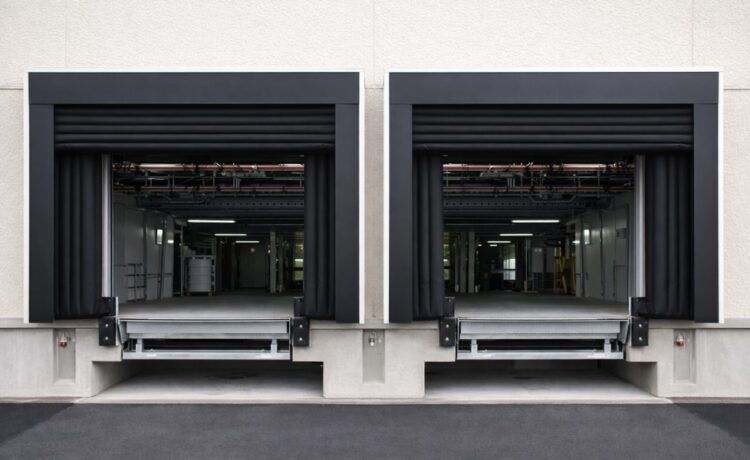
Every time a truck backs into a loading dock, there is a risk of accidental impact. Inflatable dock seals function as adaptive barriers that soften the blow, absorbing the force that would otherwise transfer directly to the dock face or building wall. These seals fill any gap, wrapping snugly around various truck heights and trailer shapes, distributing pressure and minimizing the stress on fixed structures.
Real-world warehouses that have incorporated inflatable seals routinely report fewer cracks in masonry, less maintenance for dock doors, and reduced downtime due to structural repairs. Compared to traditional foam pad seals, which can compress and lose shape over time, inflatable models retain their effectiveness because they only inflate when needed and retract afterward, avoiding permanent deformation.
Myth 2: Inflatable Dock Seals Are Too Fragile for Industrial Use
Another common myth is that inflatable means breakable. In reality, modern inflatable dock seals are engineered from robust, weather-resistant materials such as reinforced vinyl and heavy-duty fabrics, designed to withstand extremes of temperature, moisture, and daily abrasion.
Routine inspections and basic cleaning are often all that’s needed to keep these seals in working order for years. Unlike foam pads, which can split or develop mold, inflatable versions are less prone to absorb moisture and debris. Over time, the replacement cost for inflatable seals is often lower, thanks to their resilience and the ability to replace individual components rather than entire assemblies.
Myth 3: Inflatable Dock Seals Don’t Adapt Well to Different Trailer Sizes
The idea that one seal fits all trucks is outdated. Inflatable dock seals are, by design, flexible and adjustable. Their inflation mechanisms allow them to create a secure seal around trailers of varying heights and widths, something rigid alternatives struggle to achieve.
This adaptability prevents gaps that can lead to drafts, dirt, and, more importantly, structural stress. Facilities with a diverse fleet benefit most, as the seals adjust quickly between deliveries, maintaining safety and protection for docks and drivers alike.
Myth 4: Energy Savings from Inflatable Dock Seals Are Minimal
One overlooked benefit of effective dock sealing is energy conservation. A poorly sealed dock lets conditioned air escape and outside air intrude, making temperature control a challenge. Inflatable dock seals compress tightly against trailers, minimizing air exchange at the point where most warehouses lose energy.
When warehouses reduce this leakage, heating and cooling costs drop. Over the course of a year, even small improvements can result in hundreds or thousands of dollars saved, savings that directly translate into less wear on HVAC equipment and a lower carbon footprint.
Myth 5: Installation of Inflatable Dock Seals Is Complex and Costly
Some businesses avoid upgrading to inflatable seals due to misconceptions about complicated installations. In reality, these systems are designed for quick installation, often requiring just a few hours with a trained crew and minimal disruption to daily operations. The initial investment is typically offset within the first couple of years by reduced maintenance and energy bills, as well as by extending the life of dock doors and frames.
Best practices for installation involve choosing the correct seal size and type for specific dock conditions, which can be expertly guided by providers with a wide product range.
Myth 6: Inflatable Dock Seals Require Frequent Repairs
Thanks to advancements in design, modern inflatable dock seals rarely experience the leaks or failures that early models did. Manufacturers use multi-layered construction and abrasion-resistant surfaces to prevent punctures. Proactive maintenance, simple tasks such as clearing debris and checking inflation components, further reduces the likelihood of problems.
Warranty programs and strong after-sales support are common, ensuring that if issues do arise, businesses aren’t left on their own.
Conclusion: The Real Role of Inflatable Dock Seals in Protecting Loading Docks
Inflatable dock seals do more than just block weather. They serve as essential protectors, absorbing impact and reducing the structural strain on loading docks. By minimizing direct truck-to-building contact, they prevent costly repairs that can disrupt the flow of goods and threaten worker safety. Their adaptability and durability make them an excellent long-term investment for facilities handling a range of trailer sizes.
For businesses looking to enhance protection and lower operating costs, resources like Door Doctor dock seals and shelters offer a comprehensive selection of solutions tailored to every need. Embracing this technology is a practical step toward safer, more efficient, and structurally sound workplaces.