







The well-being of everyone in a dwelling depends on a hidden network of wires and circuits. Proper care for this system is not a luxury; it is a fundamental requirement for a secure living space.
Faulty installations pose serious threats, including the risk of fire or electric shock. Professional checks are the primary defence against these dangers.
These vital assessments apply to all residential settings. Homeowners seek them to protect their families, while landlords must fulfil specific legal duties for their rental properties.
Over years, all wiring and components naturally deteriorate. Age, daily wear, and changing usage patterns can compromise their integrity. Regular expert evaluation is therefore essential for continued safe operation.
The process has a dual purpose. It aims to prevent dangerous situations before they arise and to verify compliance with the latest UK wiring regulations.
This article serves as a comprehensive guide. It will explain legal obligations, detail what happens during an assessment, and show how to interpret the resulting report. It also provides advice on selecting a competent, qualified professional for the work.
Requirements can vary between different types of buildings and occupancy situations. This guide will explore those details to help you ensure your home meets the necessary standards.
Key Takeaways
- Professional electrical assessments are a critical safeguard for any residential property.
- Wiring systems degrade over time due to age, wear, and increased electrical demand.
- The core goals are preventing potential hazards and ensuring legal compliance.
- Both owner-occupiers and landlords have important roles in maintaining safety.
- Understanding the inspection process and report is key to proactive management.
- Selecting a fully qualified and registered electrician is crucial for reliable testing.
- This guide provides essential information on standards, procedures, and choosing a specialist.
Introduction to Domestic Electrical Safety Inspections and Testing
A functioning installation is not a permanent guarantee; its condition evolves with time and use. Wiring and components within a home naturally wear down. This degradation can lead to serious problems if left unchecked.
Periodic assessments are designed to find these issues. They identify overloaded circuits that may overheat. They spot potential shock risks from damaged insulation. Fire hazards from faulty connections are also revealed.
The Importance of Routine Checks
For owner-occupiers, these evaluations are a powerful preventive tool. They help avoid expensive emergency repairs. More importantly, they ensure the safety of occupants. Regular verification maintains the validity of home insurance policies too.
It also preserves property value and demonstrates a clear duty of care. A well-maintained system is a key asset.
Overview of Legal Obligations
In the UK’s private rental sector, the law is explicit. Landlords have a strict legal requirement to organise these checks. The frequency depends on the property type and tenancy.
Compliance with these regulations shields the landlord from significant penalties. Crucially, it protects tenants from living in potentially dangerous conditions. This legal framework provides a baseline for secure housing.
Understanding the Legal Framework and Safety Regulations
Property owners face distinct legal obligations depending on their occupancy status. The rules differ significantly between rented and owner-occupied properties.
These regulations provide a structured approach to maintaining wiring systems. They help prevent hazards through scheduled professional checks.
UK Electrical Safety Standards Explained
The benchmark for all assessments is BS 7671, the IET Wiring Regulations. This standard defines how installations should be designed and maintained.
It covers everything from circuit design to earthing requirements. Compliance ensures systems operate safely under normal conditions.
| Requirement | Landlord (Rented Property) | Homeowner (Owner-Occupied) |
|---|---|---|
| Inspection Interval | Every 5 years (mandatory) | Every 10 years (advised) |
| Legal Mandate | Electrical Safety Standards 2020 | No specific legal requirement |
| Report Distribution | To tenant within 28 days | For personal records only |
Responsibilities for Landlords and Homeowners
Landlords must organise checks by qualified professionals every five years. They must provide reports to tenants and local authorities when requested.
Failure to comply can result in penalties up to £40,000. Landlords should document attempts to access properties if tenants refuse entry.
Homeowners are advised to have their electrics checked every decade. This proactive approach helps identify issues before they become serious.
The rules apply throughout a tenancy. Reports remain valid for five years regardless of tenant changes.
Step-by-Step Guide for Domestic Electrical Safety Inspections and Testing
This guide breaks down the procedure into manageable phases: preparation, the on-site work, and report analysis.
Preparing for Your Inspection
Before the specialist arrives, ensure they can access all relevant areas. This includes cupboards housing the consumer unit and loft spaces.
Inform all occupants that the power will be temporarily disconnected. It is wise to switch off and unplug sensitive electronic equipment beforehand.
Conducting the Testing Process
The electrician begins with a thorough visual check. They look for damage, wear, and general condition.
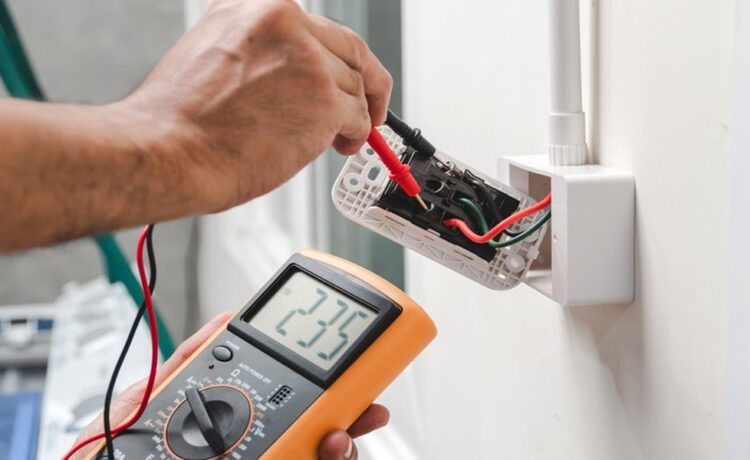
Next, they conduct live testing with specialised equipment. This measures insulation resistance and checks that protective devices like RCDs operate correctly.
The power is turned off for parts of this test. The adequacy of earthing and bonding is also verified.
Interpreting the Installation Condition Report
The outcome is an Electrical Installation Condition Report (EICR). This condition report provides a summary of the installation‘s state.
It classifies the finding as ‘satisfactory’ or ‘unsatisfactory’. Key details include the inspection date and the next due date.
Most importantly, the report lists any observations requiring action. Understanding this document enables informed decisions about any necessary work.
Expert Tips for Addressing Common Installation Issues
The findings from an installation condition report are not just a list. They form a prioritised action plan for your property. Understanding the classification codes is the first step to managing any issues.
Identifying Potential Electrical Hazards
Reports use specific codes to highlight concerns. A C1 code means danger is present now. This could be exposed live wires or missing earthing.
A C2 code signals a potentially dangerous situation needing urgent attention. FI means Further Investigation is required to assess the risk fully.
Common finds include outdated wiring with fabric coating or obsolete round-pin sockets. These materials degrade and can become hazardous.
When to Schedule Remedial Work
For landlords, the law is clear. Any C1, C2, or FI observation must be addressed within 28 days. The electrician may make a C1 situation safe temporarily, but permanent repair is the owner’s duty.
Always tackle C1 issues immediately. Next, address C2 and FI codes. A C3 code suggests an improvement for better standards. This work is recommended but not legally urgent.
Keep all documents about completed remedial work. This creates a valuable history and proves compliance.
| Report Code | Meaning | Required Action & Timescale |
|---|---|---|
| C1 | Danger Present. Risk of injury. | Immediate action. Make safe without delay. |
| C2 | Potentially Dangerous. | Urgent remedial work. Complete within 28 days. |
| FI | Further Investigation Required. | Investigation needed to determine risk level. |
| C3 | Improvement Recommended. | Consider for future upgrades to enhance standards. |
Choosing the Right Qualified Electrician
The competence of the individual performing your periodic assessment is as crucial as the assessment itself. This work must be done by an electrically competent person, like a registered electrician. They check the installation against the UK standard, BS 7671.
The best way to find a qualified professional is to verify their registration with a recognised competent person scheme.
Evaluating Credentials and Expertise
Always confirm an electrician is registered with a scheme like NICEIC or NAPIT. This proves their qualifications, insurance, and adherence to standards.
Ask about their specific experience with residential assessments and knowledge of current regulations. Obtain several quotes, but do not choose on price alone. A thorough check requires time and proper equipment.
Benefits of VC Electrical
For a reliable service, consider specialists like VC Electrical Ltd. Their team of fully qualified electricians specialises in comprehensive evaluations.
VC Electrical provides clear, detailed reports. They explain findings and required actions plainly. This ensures landlords and owners fully understand their property’s condition.
| Aspect to Verify | What to Look For | Why It Matters |
|---|---|---|
| Registration Scheme | Membership with NICEIC, NAPIT, or other authorised scheme. | Confirms official recognition of competence and adherence to industry standards. |
| Experience & Insurance | Specific domestic assessment experience and valid professional indemnity insurance. | Ensures the work is done correctly and you are protected financially. |
| Quote Assessment | A detailed breakdown of services, not just the lowest price. | A proper evaluation takes time; an unusually cheap quote may indicate corners will be cut. |
| Service Scope | Ability to provide both the initial inspection and any necessary remedial work. | Creates a seamless process for resolving any issues identified in the report. |
Maintenance and Follow-Up Inspections
A property’s wiring system requires scheduled oversight, much like a vehicle needs its MOT. This proactive approach creates a documented history of its condition. It prevents safety lapses and ensures continuous compliance with regulations.
Scheduling Regular Safety Checks
Standard intervals for professional evaluation are tailored to different property types and uses. Adhering to this schedule is fundamental for ongoing security.
- Owner-occupied home: every 10 years.
- Rented property: every 5 years.
- Caravan: every 3 years.
- Swimming pool: annually.
Additional triggers for an inspection include preparing a property for letting or before buying a previously-occupied dwelling. Following significant alterations is also wise.
The resulting EICR will specify the exact date the next assessment is due. For landlords, the five-year certificate remains valid for its duration, even if tenants change. However, if the report recommends a shorter interval, this must be followed.
“Next inspection recommended in 3 years due to installation age.”
Diarise the next due date immediately upon receiving your report. Keep all documents in a dedicated property file. Some contractors offer reminder services for these essential safety checks.
Practical Insights for Homeowners and Landlords
Beyond the technical assessment, property owners must consider the logistical and financial aspects of maintaining their electrics. This involves smart budgeting and meticulous record-keeping.
Cost Considerations and Budgeting
Prices for a professional check vary. The size of your home and the number of circuits are key factors.
Obtain a detailed quote. It should cover all testing, the final report, and time to discuss any issues. Budgeting for potential repairs is also wise, especially in older properties.
This upfront cost helps avoid far greater expenses. It prevents fires, insurance claims, or legal penalties.
Documenting Inspection Reports Effectively
For a landlord, legal duties around the certificate are strict. You must supply a copy to existing tenants within 28 days.
A copy must also go to the local authority if they ask. New tenants need the document before they move in.
If the report demands work, the landlord must ensure it’s done within 28 days. Written confirmation of completed repairs is then required.
Make sure you keep every property record. Use digital storage for safety. Provide the old certificate to the next assessor.
This organised approach proves compliance and protects everyone in the property.
Conclusion
The true value of a periodic assessment lies in the peace of mind it provides. Wiring and components within any property naturally age, making regular professional checks essential.
These evaluations address both a moral duty and a legal requirement. They identify issues before they become serious, protecting occupants and ensuring compliance.
An installation condition report details any findings. Codes like C1 and C2 demand prompt remedial action to eliminate immediate dangers.
Selecting a fully qualified electrician is crucial for a reliable check and clear report. View this process not as a cost, but as a vital investment in long-term security for your property and everyone in it.
FAQ
What is an EICR and who needs one?
An Electrical Installation Condition Report (EICR) is a formal assessment of the fixed wiring in a property. It is a legal requirement for landlords in England, Scotland, and Wales to have a valid report for each rental home. Homeowners also benefit from this check to ensure their property’s wiring is safe and complies with the latest standards, such as the 18th Edition Wiring Regulations.
How often should an electrical installation be inspected?
For rental properties, the law mandates an EICR at least every five years or with each change of tenancy. For owner-occupied homes, it is strongly recommended to have an inspection and test carried out at least every ten years. More frequent checks may be needed for older properties or those with identified issues.
What do the codes on an installation condition report mean?
An electrician uses codes to classify their findings. Code C1 indicates ‘Danger Present’, requiring immediate action. Code C2 means ‘Potentially Dangerous’, and remedial work should be planned promptly. Code C3 suggests ‘Improvement Recommended’ for enhancing safety, while a ‘FI’ code indicates further investigation is needed without delay.
What happens if my property fails the EICR?
If the report shows C1 or C2 codes, the installation is considered unsatisfactory. The landlord or homeowner must arrange for a qualified electrician to complete the necessary remedial work. A fresh certificate should be issued once all repairs meet the required safety standards.
Can I carry out my own electrical safety checks?
While homeowners can visually check plugs and cables, formal inspection and testing must be completed by a competent, qualified electrician. They have the specialist knowledge and equipment to assess the hidden fixed wiring safely and produce the legally recognised certificate.
What are the typical costs involved?
The price for an EICR varies based on property size and complexity. It is a wise investment in safety. Choosing a reputable firm like VC Electrical ensures the job is done correctly, providing peace of mind and helping to avoid costly future repairs from undetected faults.