




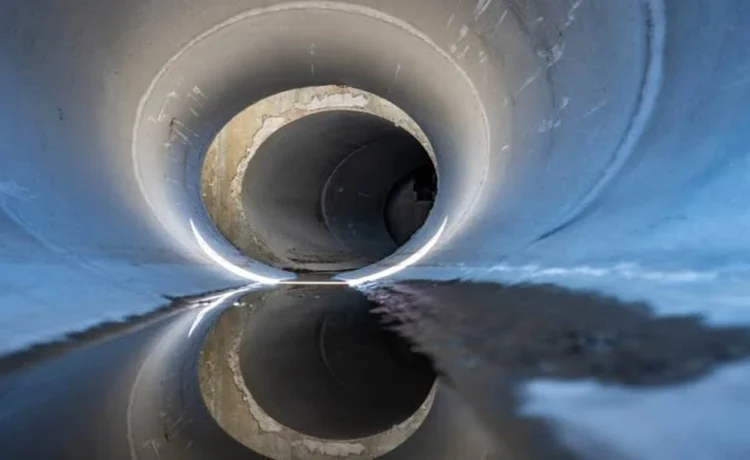
The plumber feeds a cable into the cleanout, a small monitor flickers to life, and suddenly you are looking at the inside of a pipe you have never seen, buried under a yard you have mowed for years. A footage counter ticks upward in the corner of the screen. Most homeowners watch politely without knowing what they are looking at, then nod when a price comes back.
That screen is where most decisions about sewer line repair in Bel Air Stewards homes actually get made. The family run team behind plumbcrazy.biz, working out of Continental Drive in Abingdon since 1986, makes a point of laying out real options and holding off on any work until the homeowner signs off, an approach that only means something when the person approving the job understands the footage. So here is how to watch it, foot by foot, the way a seasoned tech does.
Before the Camera Even Moves
A good inspection starts with access. Most homes have a cleanout, either a capped pipe in the basement near where the main drain leaves the wall or one outside in the yard. Outdoor caps take a beating from mowers and landscaping, and a cracked or missing one lets dirt and rainwater into the line. Howard County’s public works department explains why a damaged cleanout cap matters and how easily it gets broken.
If no cleanout exists, the tech may pull a toilet or go in through a roof vent, which adds time but still works. Running water before and during the inspection also helps, because flowing water reveals sags and backed up sections that a dry pipe hides.
Before anyone talks price, make sure the inspection leaves you with something you can actually use.
- A recorded copy of the video, not just a description of it
- The footage counter visible on screen so every defect has a distance attached
- A locator reading that marks the depth and surface position of any problem spot
- Notes on the pipe material at each section, since many lines change partway
With those four things in hand, you can get a second opinion without paying for another camera run.
The First Ten Feet Under the Basement Floor
In older Bel Air homes, the first stretch is often cast iron. Healthy cast iron looks dark and fairly smooth. Trouble shows up as a heavy scale, bumpy crusted buildup that narrows the opening and snags paper. The bigger concern is channeling, where the bottom of the pipe has rotted away and the camera shows soil or a ragged groove where solid metal should be.
Scale alone often responds to mechanical descaling or hydrojetting. Channeling does not, because the pipe floor is already gone. A short channeled section near the wall can sometimes be cut out and replaced. A long run under a finished basement slab raises a harder question, since breaking concrete adds cost and mess quickly.
Somewhere Under the Front Lawn
As the counter climbs past the foundation, the material frequently changes. Homes built in the decades after World War II may have clay tile or Orangeburg pipe running to the street.
Clay is sturdy but comes in short sections, and every joint is a doorway for roots. On camera, roots look like hair or thick tangled rope hanging into the flow at regular intervals. A single root intrusion near a mature maple can be cleared with a jetter, yet roots return to the same joint unless the joint itself gets sealed or replaced.
Orangeburg, made from wood fiber and tar, is a different story. It was never meant to last forever, and after fifty or more years underground it tends to soften, blister and squash into an oval. When the camera shows a pipe that looks flattened or bubbled, cleaning it aggressively can make things worse.
Offset joints show up here too. Two pipe sections that have shifted apart leave a lip that catches waste. Minor offsets are a nuisance, while large ones let soil wash in and eventually cave the line.
The Dip That Holds Water
One of the most misunderstood findings is a belly. When soil settles beneath part of the line, the pipe sags, and the camera lens dips underwater as it passes through. Waste and paper settle in that low spot, so clogs keep returning no matter how often the line is cleared.
Bellies matter because they rule out some popular fixes. A cured in place liner follows the shape of the existing pipe, so it seals cracks and joints but leaves the sag exactly where it was. A shallow belly might be lived with through periodic jetting. A deep one usually means excavating that section and resetting it on proper bedding at the correct slope.
Where Your Pipe Meets the Street
The last stretch runs toward the public main. Responsibility here varies by utility, and many homeowners assume the town owns more of the line than it really does. Before any digging near the curb or under a road, the repair crew should confirm ownership with the local sewer utility, pull any required permit, and call Maryland’s Miss Utility through 811 so gas, water and fiber lines get marked.
Damage right at the tie-in, where the lateral connects to the main, sometimes needs coordination with the utility itself. That can add days to the schedule, which is worth knowing before a backup turns urgent.
Turning Footage Into a Repair Plan
Once you understand what the camera saw, the repair options start to make sense on their own. Localized cracks, a single bad joint or one root entry point usually point toward a spot repair or a short sectional liner. A line with sound shape but many leaking joints is a strong candidate for a full liner, which can go in through the cleanout with little digging. Pipe bursting pulls a new pipe through the path of the old one and suits lines that are badly deteriorated but still continuous, though it needs a pit at each end. Open trench replacement remains the honest answer for deep bellies, collapsed sections and lines too shallow or crooked for trenchless tools.
The footage also tells you what not to buy. A full replacement quote for a line with one root intrusion deserves a second look, just as a quick cleaning quote for a channeled cast iron run only delays the inevitable.
Keep the video after the job is done. A post repair camera pass confirms the work, and the recording becomes useful paperwork if you ever sell the house. Buyers are increasingly asking for sewer scopes before closing, and a homeowner who can show a clean, documented line has one less thing to negotiate over.