




The material you pick for the deck surface shapes almost everything that follows: how the deck looks, what it costs, how much time you spend maintaining it, and how long it lasts. Many homeowners spend weeks on layout and railing style, then choose boards in a hurry because the quote is due. That is backwards. Material choice deserves the same attention as the design, since it is the one decision you live with every day. Here is a practical way to work through it.
Start with how you will use the deck
Before comparing products, be honest about your habits. A deck used for weekend cookouts and a quiet morning coffee has different needs from one that handles a hot tub, heavy furniture, a dog that runs laps, and a steady stream of kids with wet feet. Think about how much time you actually want to spend on upkeep. Some people enjoy an annual weekend of sanding and staining. Others would rather never touch a brush again.
Also decide how long you plan to stay in the home. A homeowner planning to sell in three years weighs cost differently from one building a deck for the next twenty.
Know the main decking choices
Most decks fall into three groups. The University of Tennessee Extension’s fact sheet, Decking Lumber Options, describes the main types as preservative treated wood, naturally durable wood, and wood and plastic composite lumber. It lists price, availability, construction flexibility, maintenance, and environmental impact as the main factors to weigh, and it makes the point that no option is perfect. It also advises against untreated, non durable wood such as pine for deck boards.
In plain terms, here is how the groups compare:
- Preservative treated lumber is usually the lowest in upfront cost and widely available. It needs regular cleaning and sealing to stay in good shape.
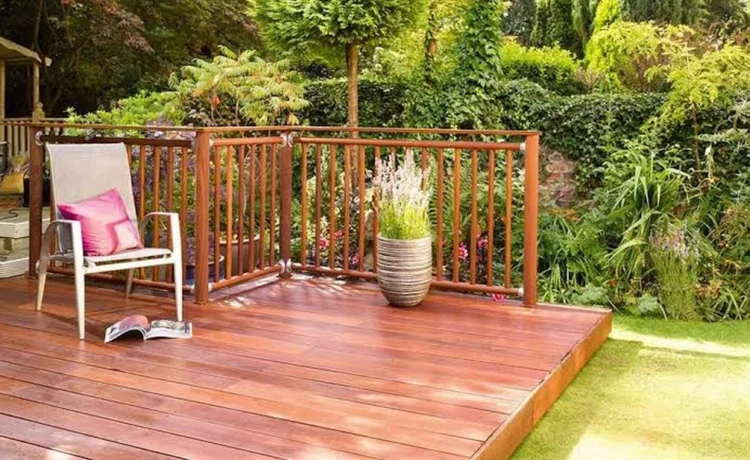
- Naturally durable woods, such as cedar or redwood, have an attractive grain and resist decay better than untreated softwoods, though they cost more and still need finishing.
- Composite decking blends wood fibers with plastic. It costs more at the start, but it does not need staining or sealing and resists rot and insects.
Many homeowners also look at PVC boards, which are fully plastic and very resistant to moisture. They can feel and look different from wood, so see samples in person before deciding.
Match the material to your yard and local conditions
Sun, snow, moisture, and temperature swings all act on a deck, so the best material depends on where you live and where the deck sits. A spot that bakes in afternoon sun puts different stress on boards than a shaded corner that stays damp. Surfaces that get very hot underfoot can be uncomfortable in summer, and darker colors usually absorb more heat.
This is where local experience matters. A contractor who handles deck building in Utah County knows how strong sun, winter snow, and seasonal temperature changes affect different materials, and can tell you which products have held up well in the area and which have not. Ask to see finished projects that are a few years old, since a deck that looks good on day one tells you far less than one that has been through several winters.
Slope and drainage matter as well. Boards that sit close to the ground with poor airflow underneath tend to hold moisture and wear out faster, so plan for ventilation and runoff from the start.
Compare the real cost over time
The price on the quote is only part of the story. Wood usually wins on the initial price, but it comes with recurring costs for cleaners, stain, sealer, and your time or a hired crew. Composite usually costs more upfront and then asks for little beyond washing. Over ten or fifteen years, the gap often narrows, though the exact result depends on the product, the climate, and how well you maintain the deck.
When you compare quotes, ask each contractor for the same details: board type and brand, warranty terms, fastener type, and what is included in labor. A cheap bid that quietly leaves out hardware or footings is not really cheap.
Do not overlook the frame, footings, and hardware
Surface boards get the attention, but the structure underneath carries the load. Posts, beams, joists, footings, and fasteners all affect how long the deck lasts, and a premium surface on a weak frame is wasted money. Ask what materials the frame uses, how the footings are set, and what connectors and screws will be used. Corrosion resistant hardware matters especially under composite boards, where you cannot easily inspect or replace parts later.
Check that the plan accounts for local building rules too. Height, railing requirements, and distance from property lines can all affect your design, and a professional builder should be able to explain what applies.
Think through color, texture, and surface details
Once you know the material, details make the deck feel finished. Grooved or textured boards offer better traction when wet. Hidden fasteners create a clean surface without visible screw heads. Contrasting border boards or a picture frame edge add polish without adding much cost. Choose colors that blend with your siding and landscaping, and view samples outdoors in natural light, since indoor lighting can be misleading.
Final thoughts
The best decking material is the one that fits your budget, your climate, and your tolerance for upkeep. Treated wood suits tight budgets and people who do not mind maintenance. Naturally durable woods bring warmth and beauty with moderate care. Composite and PVC reward a higher starting investment with an easier life afterward. Decide how you will use the deck, compare the true cost over time, ask experienced builders for honest advice, and do not forget the structure beneath the boards. Make those choices carefully, and the deck will give you many seasons of use without constant repair.