




Few domestic disasters induce panic quite like pressing the flush lever and watching the water level rise dangerously toward the rim. While most homeowners assume a stubborn drainage issue appears suddenly, your bathroom plumbing almost always sends clear warning signals well before a complete failure occurs. Ignoring the subtle indicators of a toilet bowl choke can turn a minor clearing job into an emergency nightmare of foul odours and water damage, but spotting them early allows you to address obstructions swiftly.
The Lazy Swirl: Spotting Sluggish Drainage Before It Worsens
A healthy flushing cycle operates with brisk efficiency. When you press the handle, water swirls rapidly around the inner rim, sweeps away waste within seconds, and refills to its normal resting level cleanly.
When a partial obstruction lodges inside the internal trap or main soil pipe, water encounters resistance. You might notice the bowl filling much higher than usual before slowly, sluggishly draining away over several minutes. Alternatively, the water level might drop unnaturally low after a flush cycle finishes. This erratic water level fluctuation indicates that trapped air and debris are disrupting proper siphon action. Addressing a partial toilet choke at this early stage prevents a total blockage from shutting down your bathroom entirely.
Strange Noises and Phantom Bubbles: Listening to Your Pipes
Your plumbing system communicates through sound and movement. Paying close attention to unusual noises in your bathroom provides vital clues regarding airflow and pipe capacity.
| Early Warning Sign | Observable Symptom | Underlying Cause |
| Gurgling Sounds | Deep glug-glug noises from the trap after flushing | Trapped air pockets forced past partial pipe obstructions |
| Rising Air Bubbles | Water surface fizzes or bubbles during draining | Negative pressure pulling air through restricted waste lines |
| Floor Drain Backup | Water surges in nearby bathroom floor traps | Main soil pipe blockage forcing waste backwards into branch lines |
| Persistent Sewer Odour | Stagnant, foul smells lingering around the base | Debris buildup trapping waste and breaching water seals |
If you hear strange gurgling sounds while running your sink basin or taking a shower, a developing blockage is restricting your main waste stack. Identifying these early acoustic clues helps you take decisive action before a complete toilet bowl choke leaves your household stranded.
Common Culprits: What Lies Beneath the Surface?
Understanding what causes internal pipe obstructions helps you prevent future drainage headaches. While manufacturers market many modern sanitary products as “flushable,” your domestic drainage pipes often tell a very different story.
| Material Category | High-Risk Household Items | Impact on Waste Pipes |
| Fibrous Products | Moist wet wipes, facial tissues, paper towels | Do not break down in water; weave together to catch debris |
| Sanitary Items | Cotton buds, tampons, sanitary pads | Absorb liquid, expand rapidly, and wedge firmly into pipe bends |
| Foreign Objects | Plastic toys, air freshener caps, dental floss | Create rigid physical dams that trap toilet paper and organic waste |
| Mineral & Grease Accumulation | Hard water scale, poured cooking fats | Narrow pipe internal diameters over time, restricting flow |
Educating family members to flush exclusively human waste and toilet tissue keeps your drainage lines clear and dramatically reduces maintenance costs.
Simple DIY Checks vs Professional Intervention
When you first notice a slow drain, taking quick non-invasive steps can clear minor paper blockages easily. Keep a heavy-duty flange plunger on hand and establish a firm seal over the bottom outlet before applying forceful up-and-down pressure.
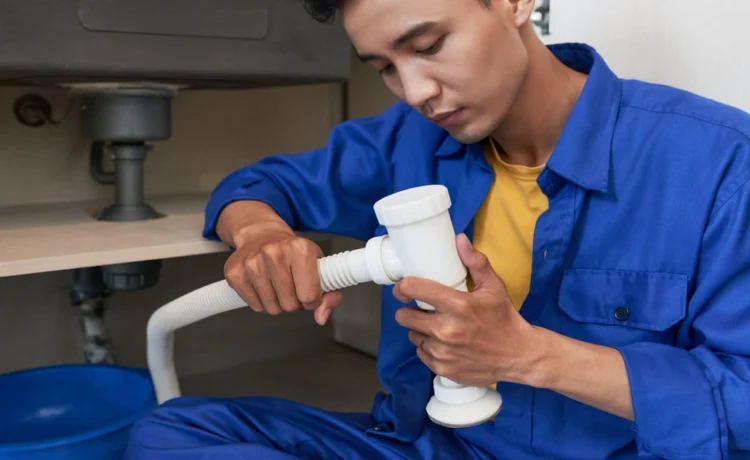
However, if plunging fails to restore a rapid flush, avoid pouring harsh chemical drain cleaners down the basin. Corrosive chemicals generate extreme heat that can warp PVC pipes, erode old rubber joints, and splash back onto skin or eyes. Furthermore, if you experience a severe toilet choke where waste backs up into nearby floor traps, DIY efforts usually push the obstruction deeper down the line. Professional plumbers use specialised drain snakes, high-pressure water jetters, and CCTV pipe inspection cameras to locate and clear deep main line blockages safely without damaging your fixtures.
Spotting Misalignment and Mechanical Issues
Sometimes a stubborn toilet bowl choke does not stem from flushed debris alone. Structural defects and mechanical failures around the porcelain base can mimic standard pipe blockages.
Shifted wax seals, degraded rubber gaskets, or incorrect soil pipe slope angles slow down waste discharge dramatically. Furthermore, mineral scale buildup inside the narrow jet holes under the rim reduces flush power, leaving insufficient water volume to carry waste away cleanly. Inspecting these mechanical components ensures your fixture delivers the flushing force required to maintain clear waste lines.
Stay Proactive for Smooth Drainage
Recognising early warning signs saves you time, stress, and substantial repair expenses. Sluggish water movement, gurgling noises, rising air bubbles, and recurring low bowl levels all signal a developing drainage issue that demands attention. By monitoring your fixtures closely and adopting smart flushing habits, you protect your home from unhygienic overflows and maintain a fully functional bathroom ecosystem.
Frequently Asked Questions
Why does my toilet water rise to the top rim before slowly draining?
A rising water level indicates a partial obstruction in the trapway or main drain line. The restriction slows down normal water flow, forcing liquid to back up temporarily until gravity slowly pushes it past the blockage.
Can using too much toilet paper cause a complete blockage?
Yes. Flushing excessive amounts of toilet paper in a single flush, especially multi-ply luxury tissue, easily creates dense paper wads that lodge in the curved S-bend trap.
How often should I clean my drainage lines to prevent blockages?
For standard residential homes, performing routine maintenance flushes with hot water and mild detergent every few months helps dissolve minor buildup and keeps waste lines running smoothly.
Is a stubborn blockage slowing down your bathroom routine right now? Contact QB Plumbing today for fast, reliable, and professional clearing services.