






Renovating a shop or office is exciting, but the demolition component can feel like a leap of faith. With proper planning, you will protect people, contain your costs, and not derail a project’s timeline. Use this article to confidently plan and manage the interior demolition component while your business continues to operate effectively.
What Is Selective Interior Demolition?
Selective interior demolition is the practice of removing specific materials and fixtures while preserving the integrity of the surrounding structure. A project might involve removing non-structural partitions (walls), replaced flooring, ceilings, and or outdated mechanicals, while keeping the beams, columns and exterior walls intact. This approach gives you the opportunity to revisit layouts and address hidden deficiencies while preparing spaces for new finishes, without doing unnecessary demolition.
- Scope identification is very important on the front end – create a clear list of what is staying and going behind the drywall, including walls, flooring types, ceiling grids, lighting and plumbing fixtures. This is the essence of selective demolition.
- Validate load bearing structure – before making efforts to remove walls and fixtures, validate which walls are load bearing and also where your utilities are located.
- Identify any permits and inspections – Check in with your city or county for permits for demo, utility shut offs, and disposal (dumpster) rules.
- Always hire a licensed demolition contractor to help with planning, protection and compliance (especially for older structures). Visit this page for more helpful information.
Protecting Employees and Customers
You have the ability to set the tone on safety. To start, you will want to ensure you clearly separate public space from workspace using solid and secured barriers and signage. The next step is to set up a negative pressure set up and use HEPA air scrubbers to help with dust control in sales floors or offices. If you develop a simple dust control plan (seal doorways, cover vent openings, run HEPA filtration,) you will find that you can greatly limit the dust involved with a sample renovation project.
Plan noisy or high-impact tasks before your opening or after your closing. Keep exits open and marked. Walk your jobsite two times a day and remove tripping hazards. Make sure crews are wearing proper PPE and that if your building is older than modern building codes, they follow lead/asbestos rules if applicable. Share your plan with the team and make daily updates available so that everyone knows what they can expect.
Safe Handling of Drywall and Flooring
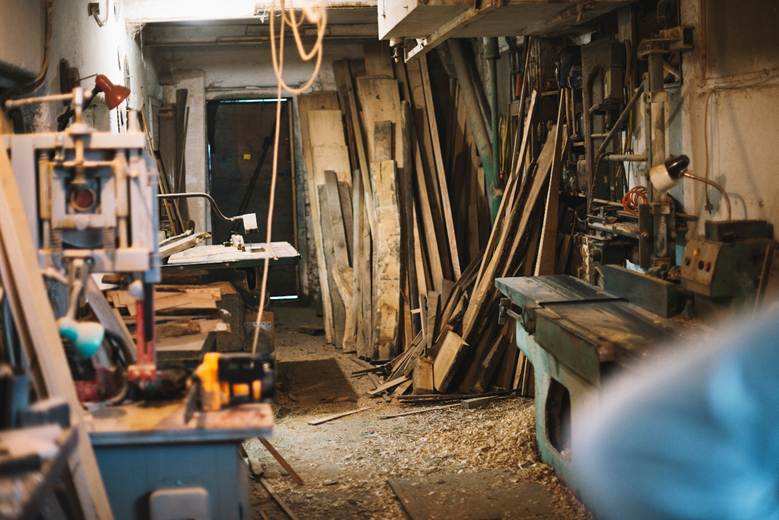
Drywall and flooring create most of the dust and debris. Old paint or vinyl tiles may contain lead or asbestos. Always test suspect material before removal and apply the correct removal method. When comparing bids for interior demolition Spokane Valley, ask for details about dust control and disposal and how the contractor does this. When all contractors do this, they protect their workers as well as your budget.
- Drywall: score and remove large pieces when possible; bag small debris at source; use HEPA vacuums for tools.
- Flooring: tile and concrete grinding releases silica; use shrouded tools with water or HEPA. Always test older vinyl for potential asbestos before scraping.
- Adhesives: low odor removers and floor scrapers reduce fume generation; ventilate and monitor air quality.
- Debris logistics: stage waste in covered bins. Schedule construction waste routing to keep the site clear of materials.
How to Manage Daily Business During Demo
You can stay open during demo; you just have to plan for it. Phase the work so that you are doing one area at a time and then relocating the store or office to a “clean” area to work out of. Use temporary entrances, if your front door is pushed blocked; customers will be fine if you just have signage for them to be able to find you. If you need to field phone calls or want to minimize the number of customers in the area on the loudest workdays, consider a curbside service or virtual consultations for those customers.
You will need to coordinate deliveries and contractor access. Do your best to time key deliveries so that they either alternate with peak hours of operation or off-load during off-hours. Protect your merchandise with plastic sheeting and storing items in lockable storage when no one is there. Keep your customers in the loop through social media posts, flyers on the door, and web site postings. Maybe offer a small discount in store as a “thanks for putting up with us”. When your staff buys into the plan, and customers can see improvements, they are more willing to tolerate and accept any disruptions.
Cleaning Up Before Reopening
Your grand re-opening will happen more smoothly if you are regularly cleaning, and NOT an afterthought thing. Take a two-fold approach. Clean, and tidy the space as you go while demolishing, then have a dedicated cleaning day after all construction is completed. You can schedule a final inspection after everything has been cleaned and left in a safe manner.
- Air, surfaces: Order and run HEPA air scrubbers (refer to this video https://www.youtube.com/watch?v=9GBzT1Zx1_k to know more) for 24-48 hours before you will let people in and clean all horizontal surfaces you can touch and replace HVAC filters, before you resume daily HVAC use and allow it back to volume.
- Floors, fixtures: If there are lights, registers, counters, shelving, and glazed area, detail clean what parts are there/for a refreshed space it better look new.
- Waste, recycling: Document or log what left the site and where it went; receipts for debris removal and recycling are available to you, if you call a reputable hauler.
- Final walk-through: During the final walk-through with the general contractor, confirm the punch-list, exits are accessible, and fire-extinguishers are accessible, and everything else, including checking/ validating all electronic or casings are functioning e.g. lighting, HVAC, restroom.
With a careful plan, the right partners, and ongoing communications, your renovation plan can remain safe, in code, and on time. Thoughtful steps in the demolition process will protect your crew, inform your customers, and prepare for the type of space you envision for your reopening—without surprises related to dust, delays, or disposal. And when you need labor, whether it is to pick up the pace or the job isn’t right for you, use a licensed demolition contractor and reliable construction waste hauling to keep your program moving.