








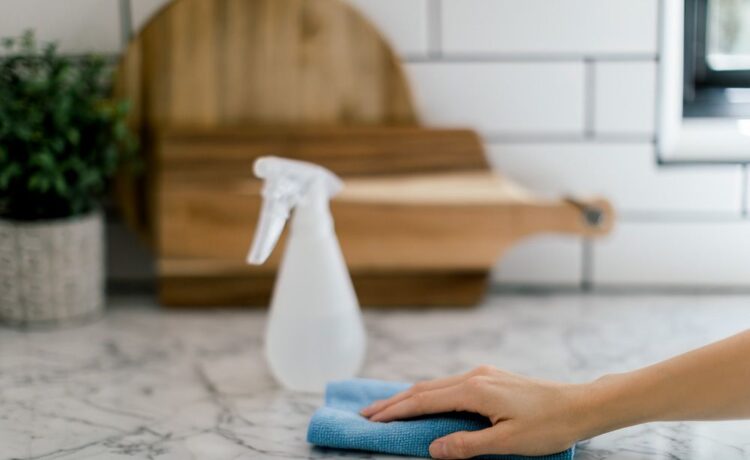
Marble countertops are the epitome of luxury in kitchen and bathroom design. Their smooth surface, intricate veining, and classic beauty elevate any space. But with that beauty comes a need for proper care. Marble is more porous and delicate than materials like granite or quartz, making it more susceptible to stains, etching, and dullness if not cleaned correctly.
Whether you’re a new homeowner or a long-time admirer of this elegant stone, knowing the right way to care for it ensures that your investment stays stunning for years. Reputable providers like comptoir marbre Casa Granite often advise their clients to adopt a gentle yet consistent cleaning regimen.
1. Understand the Nature of Marble
Before diving into the cleaning steps, it’s important to understand why marble requires special treatment. Marble is a metamorphic rock composed mainly of calcium carbonate—a mineral highly sensitive to acidic substances like lemon juice, vinegar, wine, and even certain cleaning agents.
When acidic materials touch marble, they can cause etching—a dull spot or mark that doesn’t go away with simple wiping. Similarly, because marble is porous, it can absorb spills and become stained if not sealed and cleaned promptly.
2. Use the Right Cleaning Products
The golden rule of marble care is pH-neutral only. This means avoiding any acidic or abrasive cleaners, including most multi-surface sprays, bleach, or ammonia-based products. Instead:
- Use a soft cloth or sponge.
- Mix warm water with a few drops of mild dish soap (pH-neutral).
- Wipe the surface gently and avoid scrubbing.
After cleaning, dry the area with a microfiber towel to avoid water spots or mineral buildup.
For tougher messes or light stains, use a marble-safe stone cleaner available at most home improvement stores or through your countertop supplier.
3. Avoid Common Cleaning Mistakes
Several common cleaning habits can actually damage marble. Here are things to avoid:
- Vinegar or lemon-based solutions: While natural, they’re too acidic.
- Magic erasers and scouring pads: These can scratch the surface.
- Using the same cloth for multiple tasks: Cross-contamination from food, grease, or acidic residue can cause damage.
- Spraying cleaner directly on the stone: Instead, spray on the cloth first to control application.
4. How to Handle Spills and Stains
Marble is prone to staining from oils, red wine, coffee, and colored sauces. The key is immediate cleanup. Blot (don’t rub) the spill with a paper towel, then gently clean the area with warm water and a soft cloth.
For oily stains, a baking soda poultice can be used. Mix baking soda with water to create a paste, apply it to the stain, cover it with plastic wrap, and let it sit for 24–48 hours before wiping clean. Always check with your supplier before using home remedies on marble.
5. Sealing and Long-Term Care
Most marble countertops need to be sealed upon installation and re-sealed every 6 to 12 months depending on usage and the quality of the sealant.
To check if your marble needs sealing, place a few drops of water on the surface. If it darkens and absorbs quickly, it’s time to re-seal. Sealing helps prevent stains and slows down the absorption of liquids, but it doesn’t make marble completely stain-proof.
Regular dusting and prompt spill cleanup go a long way in maintaining its appearance between deeper cleanings.
Conclusion
Marble countertops offer timeless elegance, but they do require a bit of extra care. By using gentle, pH-neutral cleaners, avoiding harsh substances, and keeping up with sealing, you can keep your marble looking luxurious and pristine.
Suppliers like comptoir marbre Casa Granite not only offer top-tier marble but also provide the care knowledge you need to protect your investment. With the right routine, your marble surfaces can remain as breathtaking as the day they were installed.