






Window frames become part of a home’s interior and exterior once they are installed. Their color, profile, and finish can change how a room looks. The construction of the frame also plays a part in insulation and everyday use. The frame needs to work with the home’s style as well as the way the window will be used.
Homeowners comparing Nu-Vu Glass residential windows have several material options to consider. Vinyl, composite, and wood give windows different looks and frame construction. Maintenance also varies between them, so existing finishes and the amount of upkeep a homeowner wants to handle are useful points to consider.
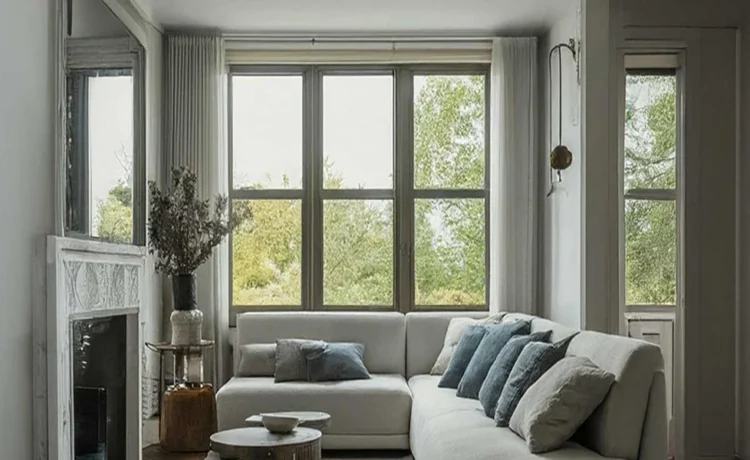
Vinyl frames require little routine upkeep and have a clean, smooth appearance. That finish can blend into a newer exterior or work with a more traditional home when the color and profile are chosen carefully. The frame becomes part of the room from the inside too. A lighter frame can keep the window area feeling open, while a darker finish creates more contrast against the wall. Frame proportions also affect how much of the opening stays visible. Vinyl frames can also have an insulated design, which can help with heat transfer around the window.
Composite Brings a Different Visual Balance
Composite frames have a more substantial profile and can work with different exterior styles. Look at the frame beside existing siding, trim, flooring, or cabinetry before making a choice. A sample can look different once it is next to the finishes already in the house.
Wood Adds Warmth to the Window Area
Wood frames bring a more traditional character to a home. The natural look works especially well when the interior already includes wood trim, flooring, or other warm finishes. The frame can be finished to match those details or given more contrast so the window stands out. Wood also needs more upkeep than vinyl or composite. Its finish needs periodic attention to protect the frame from outdoor exposure.
Glass Works With the Frame
The frame material is only part of the window. Glass affects daylight, heat transfer, glare, and the view, so the two choices need to work together. Double-pane and insulated glass can improve insulation around the window, and Low-E glass uses a thin coating to reduce heat transfer while still letting in natural light. UV-blocking options help cut the ultraviolet light reaching furnishings. A large window with strong afternoon sun has different priorities from a smaller opening in a shaded spot. The existing windows can also give useful clues about what a homeowner wants to improve.
Comfort Comes From the Complete Window
A frame cannot be judged on appearance alone. The finished result depends on how the window fits the opening, how well it seals, and how the glass and frame work together. The way a room is used also affects the window choice. An easy-to-operate style can be important in a window that gets opened often. Bedroom windows also need to meet egress requirements, while larger living-room windows often put more emphasis on daylight and the view. Looking at the full window helps here, since the material, glass, size, operation, and installation together affect how the window feels once it is part of the home.
The Right Material Fits the House
Window material becomes part of the home’s design once the installation is complete. Looking at the existing finishes, the amount of upkeep involved, the glass options, and the way each window will be used can help narrow the choices. A window should look at home in the house and provide the comfort the homeowner expects from the upgrade.