







Selecting the right bathroom vanity can be the difference between chaos and calm, cramped and spacious, outdated and fresh. The challenge? Every bathroom is unique, and the perfect vanity must fit not only your space but your style and storage needs too.
Understanding Bathroom Sizes and Layouts
Bathrooms come in all shapes and sizes, but they generally fall into three common categories: the powder room (or half-bath), the en suite, and the full bathroom. Powder rooms are typically compact, designed for quick visits and minimal storage, while en suites attach directly to bedrooms, often requiring a balance of function and style. Full bathrooms, often found in family homes, offer more space for double vanities and ample storage.
Key layout considerations go beyond square footage. Plumbing location is paramount; moving pipes can get expensive fast. Door swings and traffic flow also play a big role. There’s nothing more frustrating than bumping into drawers or blocking entry with a too-large vanity.
Vanity Styles: Wall-Mounted vs. Freestanding
The choice between a wall-mounted and a freestanding vanity can dramatically shift the feel of your bathroom. Wall-mounted models, with their floating effect, visually open up tight spaces. They’re ideal for powder rooms or urban condos where every inch counts. On the other hand, freestanding vanities sit directly on the floor, offering a more traditional or furniture-like presence, and often provide more built-in storage.
Installation differs as well. Wall-mounted options require secure wall anchoring and may need reinforcement, while freestanding vanities are generally simpler to install but demand precise floor leveling. When it comes to maintenance, keeping the floor visible with a wall-mounted vanity can make cleaning easier.
If storage is your top priority, freestanding vanities usually win, offering deeper drawers and cabinets. Wall-mounted styles, however, can be paired with vertical cabinets or open shelving to compensate.
Choosing Vanity Sizes for Various Bathroom Spaces
Not all bathrooms can handle the same vanity. Here’s a quick breakdown:
– Powder rooms and small bathrooms benefit from compact vanities, often 18 to 24 inches wide. These maximize available space while still providing a spot for essentials.
– En suites and medium bathrooms can accommodate mid-size vanities, typically 30 to 48 inches, allowing for more counter space and storage.
– Spacious bathrooms open the door to double vanities or even custom configurations, with widths of 60 inches or more, perfect for busy mornings or multiple users.
Always measure your available wall space and factor in door clearance, plumbing, and circulation. This focus ensures your vanity fits like it was made for your space.
Material and Finish Options: Matching Vanity to Bathroom Style
Humidity can wreck havoc on the wrong materials. Opt for vanities constructed from moisture-resistant woods, engineered woods with quality veneers, or powder-coated metals. Stone and quartz counters stand up to spills and splashes with ease.
Colors and finishes influence not only style, but the feeling of space. Light tones can make a room look brighter and larger, while dark finishes can create drama in bigger spaces. Coordinating your vanity’s finish with other bathroom elements, like tiles, mirrors, and fixtures, ensures a harmonious look.
Storage Solutions: Balancing Form and Function
Modern vanity designs smartly integrate storage. Soft-close drawers, hidden compartments, and built-in organizers hide everyday clutter. Supplementary cabinets or floating shelves add storage without the visual bulk.
Simple organization tips, like separating daily essentials in trays and using adjustable shelves, help maximize efficiency and keep your surfaces clear.
Coordinating Vanity with Fixtures and Accessories
A seamless bathroom design demands cohesion. Select sinks and faucets that complement your vanity’s proportions and finish. Mirrors can be oversized for impact or styled with integrated lighting for a modern touch. Consistent metallic finishes on hardware, lighting, and faucets tie the room together. Even small details, like matching pulls or coordinating soap dispensers, enhance the overall effect.
Expert Tips for Measuring and Planning Your Vanity Installation
Accuracy is crucial. Measure twice, buy once. For tight spaces, create a cardboard template of the vanity footprint; this helps visualize clearance for drawers and doors. Always account for existing plumbing and electrical points to avoid costly adjustments.
Common mistakes include underestimating the space needed for drawers to open, ignoring wall irregularities, or overlooking lighting placement. Planning ahead saves headaches later.
Case Studies: Vanity Selections for Different Bathroom Scenarios
– Small Urban Apartment Bathroom: A 20-inch wall-mounted vanity with open shelving underneath creates the illusion of space and provides just enough storage for daily needs.
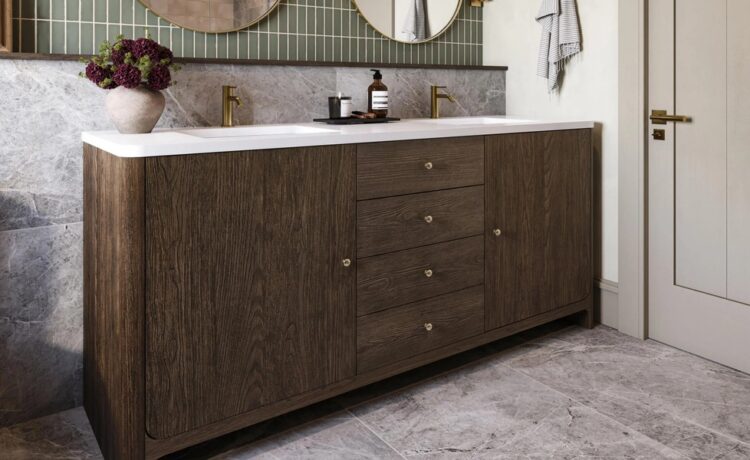
– Family Home Master Bathroom: A 72-inch double freestanding vanity with deep drawers and upper cabinets offers ample space for two adults, keeping personal items organized.
– Guest Powder Room Makeover: A sleek pedestal vanity with a bold vessel sink and statement mirror sets a welcoming tone while keeping the footprint minimal.
– Luxury Ensuite with Custom Vanity: A bespoke floating vanity in natural wood, paired with integrated LED lighting and stone countertops, transforms the room into a spa-like retreat.
When inspiration or guidance is needed, resources like the Vasca Design vanité salle bain collection provide tailored solutions for every size, style, and layout. With careful planning, your next vanity won’t just fit your bathroom, it will transform it.