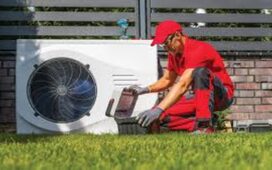





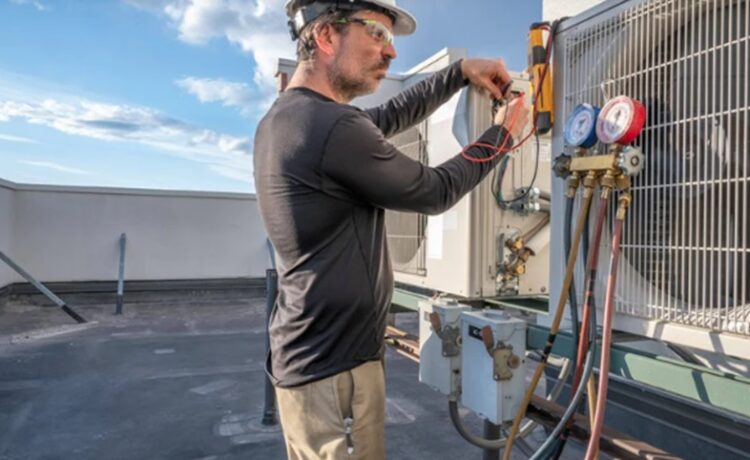
Indoor air quality plays a critical role in maintaining a healthy home environment. With most people spending most of their time indoors, poor air circulation, dust buildup, and microbial growth can significantly impact respiratory health. A well-maintained HVAC system is your home’s first line of defense against airborne contaminants. For homeowners looking to improve comfort and air purity, routine service by a professional HVAC technician in Cleveland is essential. Let’s explore how proactive HVAC maintenance enhances indoor air quality and contributes to a safer, more breathable living space.
How Your HVAC System Affects Air Quality
Your HVAC system doesn’t just control temperature—it continuously filters and recirculates air throughout your home. When filters are clogged, ducts are dusty, or components are malfunctioning, allergens, mold spores, pet dander, and bacteria can circulate freely. This can trigger allergies, worsen asthma, and contribute to long-term respiratory issues. Routine HVAC maintenance ensures your system remains clean and efficient, helping to trap pollutants before they reach your lungs.
Key Maintenance Tasks That Improve Air Quality
Proper HVAC care involves more than just seasonal checkups. To optimize indoor air quality, technicians focus on several essential services:
- Filter Replacement: Filters should be changed every 1–3 months depending on usage and system type. High-efficiency filters (like HEPA) can trap even microscopic contaminants.
- Duct Inspection and Cleaning: Dirty ducts are a breeding ground for mold, dust mites, and other pollutants. Regular inspections ensure your ductwork remains clean and sealed.
- Coil Cleaning: Evaporator and condenser coils collect dust and debris over time, which can lead to bacteria buildup and reduced system efficiency.
- Drain Line Flushing: Clogged condensate lines can lead to mold growth and water damage, both of which affect air quality.
These services not only extend the life of your system but also ensure you’re breathing cleaner air every day.
Detecting Air Quality Problems Early
One of the benefits of working with a knowledgeable HVAC technician is their ability to identify warning signs of air quality decline. Odors, excessive dust, or frequent allergy symptoms are often early indicators that something isn’t right. Technicians can test humidity levels, assess airflow distribution, and recommend system upgrades like air purifiers or UV germicidal lights—all designed to enhance your home’s air safety and comfort. Knowing how to find a good HVAC technician involves checking for certifications, reading verified reviews, assessing experience with your system type, and confirming service guarantees.
Repair vs. Replacement: Which Is Better for Air Quality?
Older HVAC systems may struggle to maintain proper airflow or filter pollutants effectively, even with regular maintenance. If your unit is more than 15 years old, or if repairs have become frequent, it may be time to weigh replacement options. Choosing between repair and replacement isn’t just about cost—it’s also about long-term air quality. A new, energy-efficient unit comes with upgraded filtration capabilities and smart features that actively monitor indoor conditions. When it comes to HVAC repair vs replacement, making the right decision depends on factors like system age, repair costs, energy efficiency, and long-term reliability.
Conclusion
Your HVAC system is more than a climate control tool—it’s a vital part of your indoor health. Regular maintenance improves airflow, reduces allergens, prevents microbial growth, and protects your household from invisible air threats. If you’re looking for trusted HVAC services, partnering with a skilled professional ensures your system runs efficiently and your air remains clean year-round. Prioritizing HVAC care is one of the most effective ways to breathe easier and live healthier at home.