






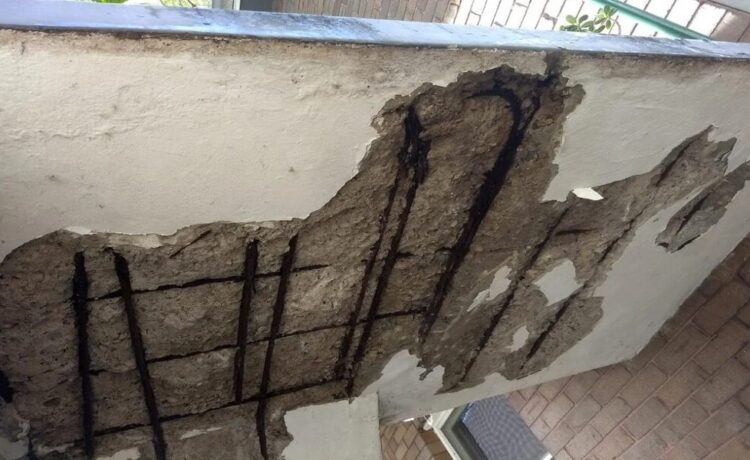
Spalling concrete repair is more than a technical necessity for Singapore’s ageing buildings; it represents the difference between safety and danger for the families who call these structures home. In Block 47, a retired schoolteacher watches chunks of concrete fall from her car park ceiling, wondering if today will be the day something strikes her grandchildren playing below. Across Singapore’s older estates, thousands of households live beneath deteriorating concrete, unable to afford private repairs and dependent on management committees and authorities to act before tragedy strikes. Understanding spalling’s signs, causes, and solutions isn’t abstract engineering knowledge; it’s essential information that can prevent injuries and preserve homes ordinary people have worked decades to secure.
Recognising the Warning Signs in Your Building
Spalling doesn’t announce itself dramatically until it’s already advanced. The early warnings appear subtle, easily dismissed by residents unfamiliar with concrete deterioration patterns. Yet these signs matter enormously because early detection enables repairs whilst damage remains limited and affordable.
Watch for these critical indicators:
- Rust-coloured stains appearing on ceilings, walls, or columns, particularly after rainfall
- Fine cracks running in straight lines that follow the pattern of internal steel reinforcement
- Small pieces of concrete or grey dust accumulating on floors or window sills
- Hollow sounds when you tap concrete surfaces with a knuckle or small hammer
- Slight bulging or bumps in previously flat concrete surfaces
- Flaking or peeling of painted concrete surfaces that won’t stay fixed despite repainting
Mrs. Tan, a resident of a 40-year-old HDB block, recalls noticing rust stains two years before concrete finally fell: “I reported it at the meeting, but everyone said it was just cosmetic. Then one morning, a piece the size of my hand landed right where my grandson plays with his toy cars. If he’d been there five minutes earlier…” Her voice trails off, the unfinished sentence more powerful than any statistics.
Understanding Why Concrete Fails
Concrete spalling emerges from a process that begins invisibly, deep within structural elements. Singapore’s climate creates perfect conditions for this deterioration. High humidity combines with salt-laden coastal air to drive moisture into concrete’s porous structure. This water reaches embedded steel reinforcement bars, triggering corrosion. As steel rusts, it expands, generating enormous internal pressures that concrete cannot withstand. Eventually, the concrete cracks and breaks away, exposing corroded steel that rusts even faster.
The timeline varies dramatically based on factors often invisible to residents: original construction quality, concrete cover depth, weather exposure, and whether water leaks have accelerated the process. Buildings constructed during rapid development periods sometimes suffer from inadequate concrete cover or poor-quality materials.
“Many of the blocks going up in the 70s and 80s were built fast, during the big housing push,” explains a spalling concrete repair who has worked on hundreds of HDB blocks. “Now those decisions made 40 years ago are showing up as repairs that working families struggle to afford.”
Who Bears the Cost?
This question haunts residents of older buildings. In HDB blocks, the Housing Board handles common areas, but response times vary and repairs compete with other maintenance priorities. Private condominiums rely on management committees to approve expenditure from sinking funds that may prove inadequate. The financial burden falls heaviest on lower-income residents in older buildings.
Mr. Kumar, a taxi driver living in a 45-year-old flat, describes the anxiety: “They say the repairs cost $200,000 for our block. Where does that money come from? My neighbours are retirees, single mothers, people working two jobs. We know it’s dangerous, but telling us it needs fixing doesn’t make money appear.”
Practical Solutions and Repair Approaches
Effective concrete repair requires systematic methodology addressing both symptoms and causes. Surface patching alone fails because it ignores corroded steel continuing to deteriorate beneath cosmetic fixes. Proper repairs involve removing all compromised concrete, thoroughly cleaning or replacing corroded reinforcement, applying protective coatings, and filling with specialised repair mortars.
The repair sequence typically includes:
- Comprehensive assessment identifying the full extent of damage
- Removal of loose and contaminated concrete
- Treatment of exposed reinforcement with anti-corrosion coatings
- Application of repair mortars in layers with proper curing
- Surface protection coatings minimising future water penetration
“The repairs that work are the ones that are thorough,” notes a concrete restoration contractor. “But thoroughness costs money, and that’s where we see management committees trying to economise. But concrete doesn’t negotiate. You either fix it properly or you fix it repeatedly.”
Prevention and Maintenance
Regular inspections catch problems early, when interventions remain affordable. Simple maintenance like promptly repairing cracks, maintaining effective waterproofing, and ensuring proper drainage prevents water infiltration that accelerates corrosion. These measures cost far less than emergency repairs following concrete failure.
Yet prevention requires vigilance often lacking in buildings where residents lack technical knowledge or organisational capacity to compel action from reluctant management committees. The burden of advocacy falls on whoever has the time and energy to persistently raise concerns.
Moving Forward
The spalling crisis affecting Singapore’s older buildings won’t resolve itself. Concrete continues deteriorating according to chemical laws indifferent to residents’ financial constraints or housing authorities’ budget limitations. The gap between technical necessity and economic reality creates anxiety for thousands of families living beneath compromised structures.
Addressing this challenge requires not just technical expertise in spalling concrete repair but social recognition that safe, well-maintained housing is fundamental to human dignity, regardless of whether residents can afford premium repairs or must depend on collective resources and public support to maintain the structures sheltering their families.