






Introduction
Commercial paving projects require careful planning before construction begins. One of the most important parts of this planning process is preparing a detailed paving estimate. An accurate estimate helps property owners understand the expected cost, materials, labour, and time required to complete the project. It also allows contractors to organise resources and avoid unnecessary delays. Since every commercial property has different requirements, several factors must be carefully evaluated before creating a reliable estimate. Understanding how commercial paving estimates are developed can help businesses prepare for a successful project.
To improve planning even further, many property owners review a Build Commercial Paving Estimates Guide before requesting contractor proposals. A practical guide explains the key elements that influence pricing, including site conditions, pavement thickness, material selection, drainage requirements, equipment needs, and labour estimates. Understanding these factors allows businesses to compare estimates more confidently, ask informed questions during the bidding process, and ensure that each proposal reflects the full scope of work rather than focusing solely on the overall project cost.
Evaluating the Project Site
The first step in preparing a commercial paving estimate is to inspect the project site. Contractors examine the condition of the existing pavement, the size of the area, and the overall layout of the property.
They also look for cracks, uneven surfaces, drainage issues, or other conditions that may affect construction. A detailed site inspection provides valuable information that supports a more accurate estimate.
Measuring the Work Area
Accurate measurements are essential when preparing a paving estimate. Contractors carefully calculate the total surface area that requires paving or resurfacing.
These measurements help determine how much asphalt and other materials will be needed. They also assist in estimating the amount of labour and equipment required to complete the project efficiently.
Assessing Site Preparation
Before paving begins, the site may require preparation to create a strong foundation. Contractors evaluate whether old pavement must be removed, whether the ground needs grading, or whether the base requires repairs.
The amount of preparation needed can significantly affect the total project cost. Proper site preparation also helps improve the durability and lifespan of the finished pavement.
Calculating Material and Labour Requirements
The next step involves estimating the quantity of materials needed for the project. Contractors consider pavement thickness, expected traffic levels, and local conditions when selecting suitable materials.
Labour requirements are also carefully calculated. The number of workers, the complexity of the project, and the estimated working hours all contribute to the final estimate.
Considering Equipment and Project Conditions
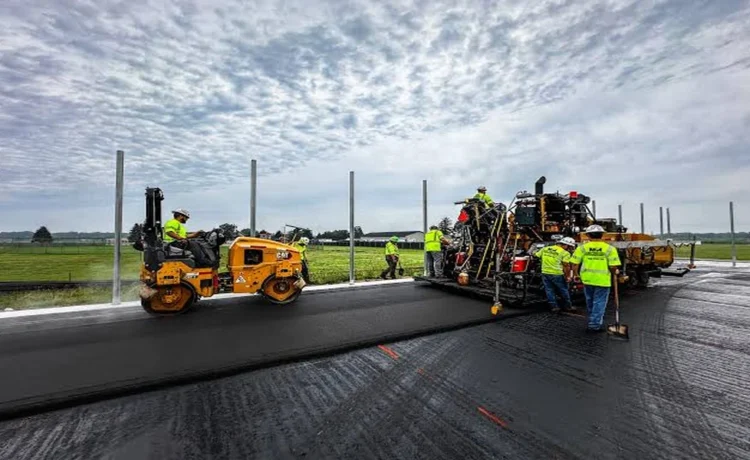
Commercial paving projects require specialised equipment for excavation, paving, levelling, and compaction. Contractors determine the machinery needed based on the size and complexity of the project.
Other conditions, such as restricted site access, traffic management, weather conditions, and project deadlines, may also influence the estimate. These factors help ensure the project is planned realistically.
Preparing a Detailed Estimate
After collecting all the necessary information, contractors prepare a comprehensive estimate. The document outlines the expected costs for materials, labour, equipment, site preparation, and other project-related activities.
A detailed estimate helps property owners understand the scope of work and supports better financial planning before construction begins.
Conclusion
Building a commercial paving estimate involves much more than calculating material costs. Contractors carefully inspect the site, measure the work area, assess preparation requirements, estimate materials and labour, and consider project conditions before preparing a final estimate. This detailed process helps reduce unexpected costs, improves project planning, and supports successful construction.