




Strong winds are nothing new across the Treasure Valley, but they don’t affect every neighborhood the same way. Homeowners in Eagle and Star sometimes wake up after a storm to find a fence leaning, a gate twisted out of alignment, or an entire section lying in the yard. In many cases, the damage isn’t caused by one unusually powerful gust. It’s the result of years of wind working on the same weak points until something finally gives. That’s one reason many homeowners replacing storm-damaged fencing start looking at Petrified Fence instead of installing another wood or vinyl fence that may face the same problems.
A fence built to handle winds up to 115 mph depends on more than heavier materials. What sits below ground is just as important as what you see above it.
Where Strong Fences Gain Their Strength
The panels are only one part of the system. A fence stays standing because several parts work together when the wind begins pushing against it.
- The posts stay firmly anchored. Fence failures often begin underground. If the footing shifts or a post starts moving, the panels above it eventually follow, even if they still look solid.
- Panels are designed to share the load. Instead of forcing one section to absorb the full impact of a strong gust, interlocking concrete panels spread that pressure across multiple posts.
- Concrete handles repeated stress differently. Wood can warp, split, or loosen after years of changing weather. Properly manufactured concrete holds its shape far more consistently through repeated wind events.
- Material quality matters long before the first storm. The concrete mix, reinforcement, and manufacturing process all influence how well a fence resists cracking after years of exposure to changing weather.
Wind Doesn’t Hit Every Property the Same Way
Drive across the Treasure Valley after a windy day, and you’ll notice something interesting. One neighborhood may look untouched while another has fence panels scattered across several backyards.
Open ground around Star and Kuna gives strong gusts plenty of room to build before they reach residential properties. Homes closer to the Boise foothills can experience sudden bursts of wind that arrive with very little warning. Even two houses on the same street may not experience identical conditions if one backyard is more exposed than the other.
That’s one reason local experience matters when choosing fencing. A design that performs well in calmer parts of the country may not hold up the same way once it’s exposed to years of Idaho wind.
Built to Handle More Than One Storm
Most homeowners don’t think much about wind ratings until they’re replacing a damaged fence.
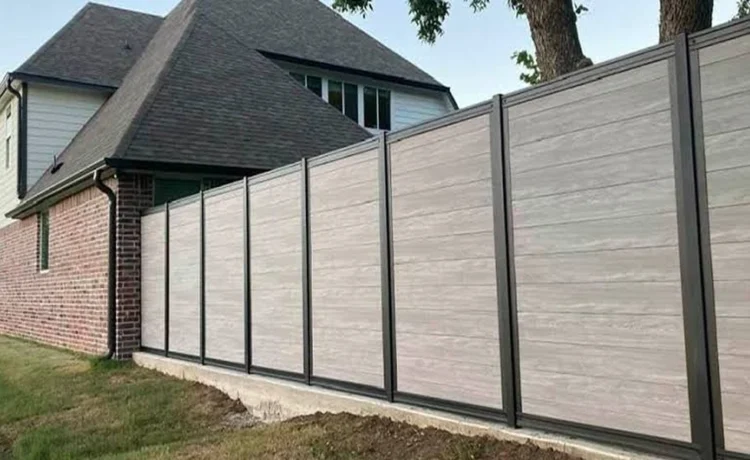
Petrified Boise manufactures its concrete fencing in-house using a proprietary concrete blend developed for long-term durability. The goal isn’t just to get through one severe storm but to keep the fence performing year after year without the gradual weakening that often affects lighter materials. That long-term approach is reflected in the company’s lifetime warranty.
What to Look for Before Choosing a Fence
Not every fence advertised as durable is built the same way. Before making a decision, it’s worth asking a few practical questions.
- How deep are the posts installed, and what supports them below ground?
- Has the fencing system been tested for specific wind speeds, or are the claims simply general descriptions of durability?
- Are the panels and posts designed to work together as one system, or are they assembled from unrelated components?
- Who manufactures the fencing, and can they explain how it’s built to handle local conditions?
A fence usually proves its value after the weather turns rough, not on the day it’s installed. When strong winds move across the Treasure Valley, the details hidden below the surface often matter far more than the color, texture, or style people noticed when they first chose the fence.