







Arizona summers can be brutal, and your central air conditioner is your first line of defense against the scorching heat. But what if your AC starts blowing warm air or struggles to keep up with rising temperatures?
One common but often overlooked issue could be a refrigerant leak. Let’s explore how to spot the signs of low refrigerant (commonly known as Freon), why it happens, and what you should do about it.
Can Refrigerant Actually Leak from Your AC?
Refrigerant isn’t something your AC burns through like fuel. It operates in a sealed loop, transferring heat from inside your home to the outdoors. Under normal conditions, refrigerant levels should remain stable.
But if there’s a leak due to wear, damage, or corrosion your system can slowly lose refrigerant, impacting its performance.
Common Causes of Refrigerant Leaks:
- Corrosion: Over time, copper coils can corrode and develop pinhole leaks.
- Aging Seals: In older units, rubber gaskets and seals may dry out or deteriorate.
- Physical Damage: Accidental bumps, poor installation, or lack of maintenance can cause cracks or punctures.
Signs Your AC Might Be Losing Refrigerant
Wondering whether your air conditioning issue is caused by a refrigerant problem? Here are some key warning signs to watch for:
1. Weak or Warm Airflow
If your AC is on but the air feels warm or not as cool as it used to be, low refrigerant levels could be to blame. The system may be running, but it can’t absorb and remove heat effectively.
2. Ice on the Coils or Lines
Ice forming on the evaporator coil or refrigerant lines isn’t a good sign. It usually means the coil is too cold, which can happen when there’s not enough refrigerant moving through the system. If left unchecked, this could cause serious damage to the compressor.
3. Spiking Energy Bills
Have your energy costs suddenly jumped? An underperforming AC with low refrigerant often runs much longer than it should, increasing your electricity usage.
4. Strange Noises from the Unit
Listen for hissing or bubbling sounds near the indoor or outdoor unit. These are often indicators of a refrigerant leak, especially when the escaping gas is under pressure.
What to Do If You Suspect a Leak
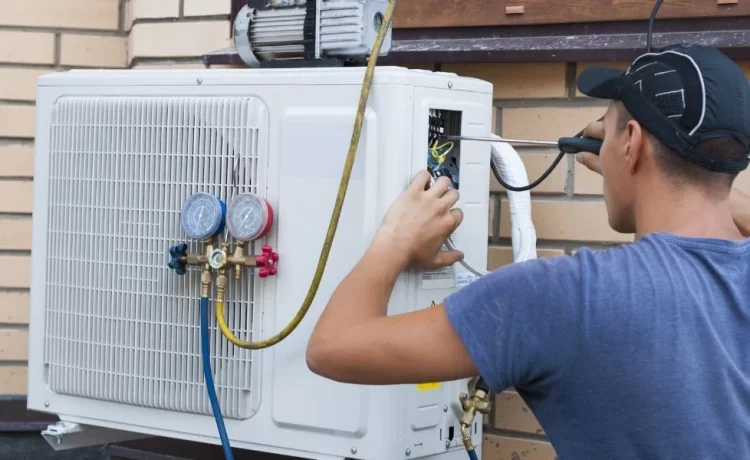
Adding more refrigerant may seem like a quick fix, but it won’t solve the root problem if there’s a leak in the system. The best course of action is to call a licensed HVAC technician who can:
- Pinpoint the source of the leak
- Repair or replace damaged components
- Recharge the system to proper refrigerant levels
Delaying repairs could lead to more serious and expensive damage, like a failed compressor.
Prevent Problems with Routine Maintenance
Refrigerant leaks don’t always show obvious symptoms at first. That’s why regular AC maintenance is essential, especially before peak cooling season. Technicians can check for pressure imbalances, inspect coils, and test for leaks early on saving you money and hassle in the long run.
Stay Cool and Leak-Free This Summer
A refrigerant leak doesn’t just make your home uncomfortable it can strain your entire AC system. If you notice any of the signs above, reach out to your local HVAC experts. Whether it’s a small leak or a full recharge, prompt service ensures your AC keeps running strong when you need it most.