






Refinishing wood floors is essential to maintain their beauty and longevity, especially in high-traffic areas. When it comes to removing old finishes or surface imperfections, two methods often come into play: traditional sanding and sandblasting. While both aim to rejuvenate the floor’s surface, their techniques, results, and appropriate use cases differ significantly.
What Is Traditional Floor Sanding?
Mechanical Abrasion Using Sandpaper
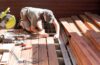
Traditional floor sanding involves using sanding machines equipped with coarse to fine grit sandpaper to strip the top layers of wood. It’s a step-by-step process that gradually removes surface finishes, scratches, and imperfections to reveal fresh, raw wood beneath.
Advantages
- Smooth finish: Ideal for preparing floors for staining or sealing.
- Precision control: Allows targeted sanding of specific areas.
- Wide compatibility: Suitable for most hardwood types, including delicate ones like walnut and cherry.
Limitations
- Dust generation: Even with dustless systems, fine particles are produced.
- Labor-intensive: Requires multiple passes and careful handling.
- Not ideal for textured finishes: Leaves a polished surface, not a rustic one.
What Is Floor Sandblasting?
High-Pressure Media Blasting
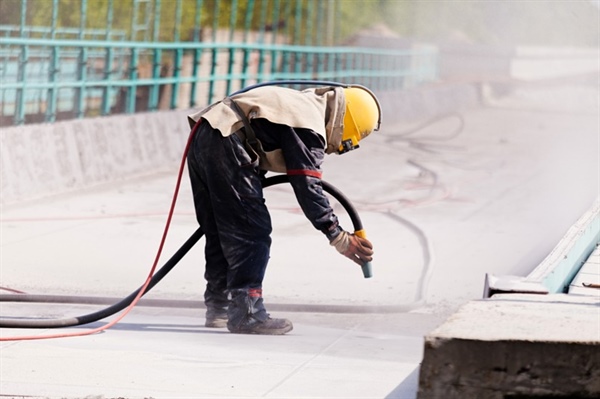
Floor sandblasting uses high-pressure streams of abrasive materials (like crushed glass or sand) to remove surface layers from the wood. This method is often used for achieving a distressed or aged look, as it roughens the wood grain.
Advantages
- Unique texture: Perfect for creating a rustic or antique appearance.
- Efficient stripping: Quickly removes paint, sealers, and deep-set grime.
- Minimal contact: The non-contact nature reduces physical wear on the wood.
Limitations
- Surface roughness: Leaves a coarser finish, not ideal for smooth stains.
- Less precise: Not suitable for delicate or detailed inlays.
- Requires expertise: Inappropriate use can erode soft grain or damage planks.
Comparing Key Factors
| Feature | Traditional Sanding | Floor Sandblasting |
| Finish | Smooth, ready for sealing | Textured, rustic appearance |
| Dust & Cleanup | Moderate (less with dustless) | Can be messier without containment |
| Speed | Slower, multiple passes | Faster stripping on large areas |
| Best For | Refinishing, repairs | Aesthetic texturing, old paint removal |
| Control | High | Moderate |
For homeowners and designers looking for specialized floor restoration or distinctive textures, Plancher Mebesa offers both traditional sanding and sandblasting, ensuring the method fits the project’s style and structural needs. Their experienced technicians evaluate wood type, condition, and desired finish to recommend the most effective solution.
When to Use Each Method
Choose Traditional Sanding When:
- You want a classic, polished finish
- The goal is to refinish with stain or sealant
- Floors have minor surface imperfections
Choose Sandblasting When:
- You want a rustic or weathered aesthetic
- Floors are covered with paint, adhesive, or deep stains
- You’re working on reclaimed wood or creative designs
Hybrid Approaches
In some cases, professionals may combine both methods: using sandblasting for initial surface stripping and sanding to smooth specific sections. This hybrid technique balances speed, aesthetics, and surface readiness.
Conclusion
Traditional sanding and floor sandblasting each offer unique benefits depending on the desired outcome. Sanding excels in creating a flawless, smooth surface ideal for classic interiors, while sandblasting delivers a raw, rustic texture perfect for industrial or vintage-inspired spaces. Understanding the differences between these two methods allows homeowners to make informed choices based on their design vision and flooring goals. Whether you prefer timeless elegance or rugged charm, the right technique can bring your floors back to life beautifully.