







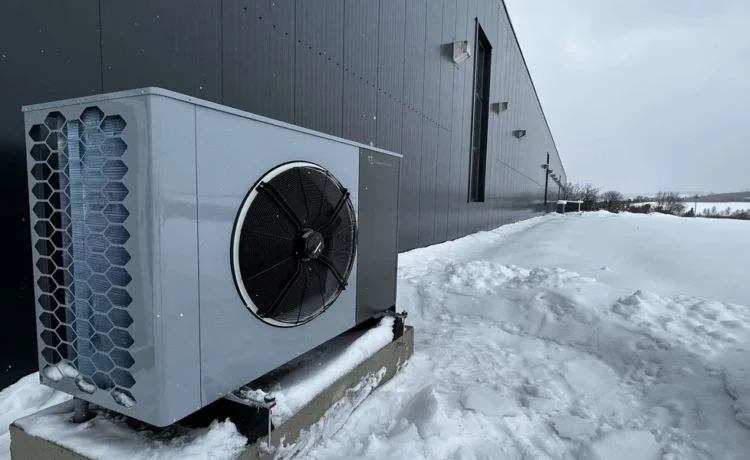
Most people assume a heat pump has its hardest time on the coldest night of the year. In wet, mild climates, the real test usually comes during the long gray stretches when the thermometer sits somewhere between 30 and 40 degrees and the air feels heavy with drizzle. That is when the outdoor unit starts hissing, a cloud of vapor drifts off the cabinet, and someone inside wonders whether the system just broke.
It almost certainly did not. Anyone who has asked a local heating and refrigeration contractor such as Integrity Mechanical about that cloud tends to hear the same answer: a heat pump that stops to melt ice is doing exactly what it was designed to do. The better question is whether it clears that ice efficiently, and whether the backup heat that fills in during those pauses is set up in a way that keeps bills reasonable.
Moisture is the reason. In heating mode, the outdoor coil runs well below the temperature of the surrounding air so it can pull heat out of it. On a damp 36 degree morning, that coil may sit in the low twenties, and the water vapor passing over it condenses and freezes almost on contact. Deep cold is actually easier in one respect, because very cold air holds far less moisture, so frost forms more slowly. Natural Resources Canada’s guide to heat pumps notes that needless defrost cycles drag down seasonal performance. That is why the way a system decides when to defrost matters as much as the defrost itself.
What Happens During a Defrost Cycle
When the control decides the coil is iced, the reversing valve flips the system into cooling mode for a short time. The outdoor fan stops, and hot refrigerant is routed to the outdoor coil instead of the indoor one. The ice melts from the inside out, usually within two to ten minutes, and the water drains off the bottom of the cabinet.
The sounds are what catch people off guard. There is a sharp whoosh when the valve shifts, a groan as the compressor adjusts, and then the vapor cloud, which is simply warm moisture meeting cold air. Indoors, air from the vents may feel cooler for a few minutes unless supplemental heat kicks on to temper it. Once the coil is clear, the valve flips back and normal heating resumes.
How a System Decides It Is Time
Not every heat pump makes that call the same way.
Timer and temperature control. Many older and budget units check the coil at fixed intervals, often every 30, 60 or 90 minutes, and defrost if the coil sensor reads cold enough. This works, but it can trigger a cycle when there is little frost to melt, or wait too long during a heavy frost.
Demand control. Newer systems watch several signals together, such as coil temperature, outdoor temperature, refrigerant pressure and sometimes airflow across the coil. They defrost only when performance is actually dropping. In a climate with frequent near freezing drizzle, the difference can show up on a winter bill.
Variable speed inverter units add another layer. They can slow down rather than shut off, which keeps coil temperatures steadier and often reduces how quickly frost builds in the first place.
Signs the Frost Is Winning
Some ice on the coil during a damp morning is normal. A few patterns suggest the defrost process is falling behind:
- The coil stays encased in a solid sheet of ice even after a cycle finishes
- Ice is building on the top panel, fan blades or fan guard
- The unit is sitting in a frozen puddle that reaches the bottom of the coil
- Defrost seems to run every few minutes, or never at all
- The thermostat shows auxiliary heat running for hours at a stretch
The usual causes are a failed coil sensor or defrost board, a low refrigerant charge, a sticking reversing valve, or simple drainage problems. A roof edge without a gutter that drips directly onto the cabinet can refreeze the coil faster than any defrost cycle can keep up. Avoid chipping ice away with tools, because the aluminum fins bend and puncture easily. Shutting the unit off and having it checked is the safer move.
Placement Counts More in a Rainy Climate
Where the outdoor unit sits makes a surprising difference during wet winters. Meltwater needs somewhere to go, so a unit resting on the ground or on a sunken pad can end up trapped in its own ice. Raising it a few inches on a stand helps the coil drain freely. Keeping it out from under roof drip lines stops a steady stream of water from coating the coil.
Fall leaves matter too in neighborhoods lined with big maples and oaks. A coil matted with wet leaves loses airflow, which pushes coil temperature lower and speeds up frost. Covering the unit with a tarp for winter is a common mistake. A heat pump runs all season and needs open airflow on every side.
The Backup Heat Question
Most ducted heat pumps include electric resistance strips in the indoor air handler, while dual fuel setups pair the heat pump with a gas furnace. That backup has two jobs: tempering the air during defrost and helping when the heat pump alone cannot keep up.
Trouble starts when backup heat runs more than it needs to. Large overnight setbacks are a classic cause. When the thermostat jumps from 62 to 70 at dawn, many controls call for strip heat to close the gap quickly, which can wipe out the savings from the setback. Smaller setbacks, or a thermostat built for heat pumps with gradual recovery, usually work better. Many systems also allow an auxiliary heat lockout, which keeps the strips off above a chosen outdoor temperature. The emergency heat setting is meant for a failed heat pump, not for chilly mornings, since it bypasses the efficient part of the system entirely.
Why Sizing Shows Up in Winter
An oversized heat pump runs in short bursts, which can confuse defrost logic and leave rooms feeling uneven. An undersized one leans hard on backup heat whenever temperatures dip. Both problems trace back to equipment chosen by rule of thumb rather than by a room by room load calculation that accounts for insulation, windows, air leakage and duct condition. Homes that have been weatherized since the original system went in are especially likely to be oversized now.
Getting Ahead of the Wet Season
The best time to think about all of this is early fall, before the first long drizzle settles in. A service visit then can confirm the refrigerant charge, test the defrost sensor and board, check that the reversing valve shifts cleanly, and clean a coil that has collected summer dust and pollen. Filters should be replaced roughly every three months through the heating season, since restricted indoor airflow raises pressures and works against the whole system.
None of this makes the vapor cloud disappear, and it should not. That brief plume is a sign of a system clearing its own path so it can keep moving heat indoors. Good setup and regular care change how often it happens, how long it lasts, and how much the backup heat costs while it runs. For equipment that works hardest in weather most people call mild, those details add up to a calmer winter and steadier comfort.