







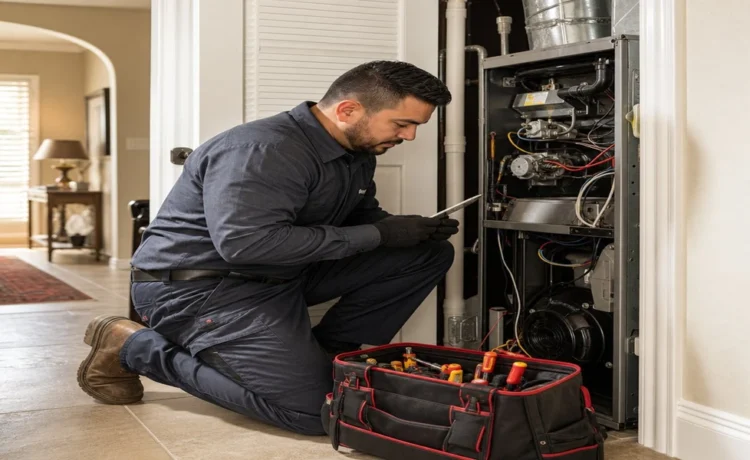
It is not as exciting as a heating breakdown in the middle of the night, but a pre-season tune-up can still teach you the difference between a good heating company and one that just goes through the motions. This is especially true in an older home. Check this out for more information.
You will hear the difference in the questions they ask, the stuff they see when they open the panel, the subtle noise from the blower motor, and the manner in which they describe it.
Scheduling Before Winter
Because the tune-up is scheduled ahead of time, the technician can be more thorough. You also have time to consider the recommendations. It is easier to decide what to do next if you aren’t rushed by winter weather.
A good heating contractor will ask questions like “How old is your system?” “Is there a room in your house that gets cold faster than other rooms?” “Has the system been making strange noises lately?” “Does your thermostat appear to accurately control the temperature of your house?” These answers will give the technician a better idea of how to prepare for the inspection.
First Observations Inside Your House
The dust on your return vent is an example of something that could easily be overlooked. Poor airflow can cause your heater to work harder and can also make certain rooms more difficult to heat. Your heating contractor should tell you something like “We found some dust buildup on this vent that could restrict airflow.” The point isn’t to frighten you with the dust on the vent; it is to explain the need to clean the vent, check the filters, and inspect the airflow.
Visit https://www.epa.gov/indoor-air-quality-iaq/introduction-indoor-air-quality for further information.
Looking Past the Obvious
As part of the tune-up, the technician will turn the system on and listen to it. An older furnace might already have a certain type of sound to it, but experienced technicians can usually tell when something sounds wrong or if something is beginning to wear out. A slightly louder-than-usual inducer motor doesn’t necessarily mean the motor needs to be replaced now, but it might be a sign that you want to monitor the motor as the heating season starts.
“The purpose of maintenance is to identify serious problems versus things we need to watch,” says Nolan Price, residential HVAC service supervisor. “Homeowners should walk away with a clearer understanding of their system, not feel pressured to do anything.”
What the Attic Reveals
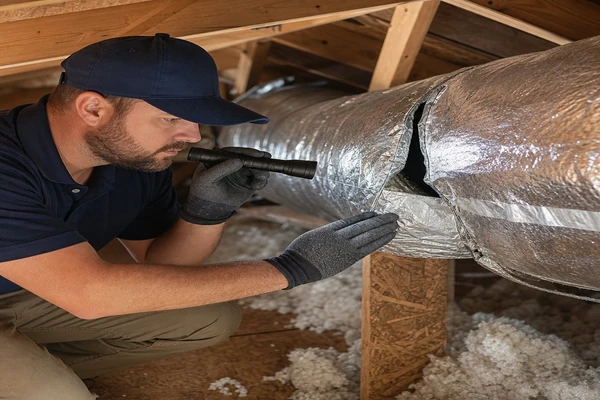
Attic inspections may show a problem you wouldn’t notice otherwise. Tiny holes or loose seams in the ductwork can allow heated air to escape before it reaches the rooms that need it. The technician will probably look for:
Some of these findings might not be emergencies, but they could explain why you are having trouble heating certain areas or why the heating system takes so long to reach the desired temperature.
How the Thermostat Affects Performance

A poorly placed thermostat can also lead to problems. If the thermostat is located in direct sunlight, near a draft or near a supply vent, then the thermostat could incorrectly measure the temperature of your home. Your heating system could shut down too soon or run longer than it needs to. A professional heating company will pay attention to these kinds of details because the thermostat and the rest of your house play an important role in your overall comfort. You may have moved into a home many years ago, and the layout of the home or the ductwork might have changed since then.
What a Good Recommendation Looks Like
At the end of the tune-up, the technician should explain what they did during the tune-up, what they cleaned, what they found that needs attention, and what you can wait to address. The best recommendations aren’t scary or confusing. The best heating contractor in San Antonio doesn’t try to use fear to sell you on new products or services. They are careful in their observations, straightforward in their explanations and patient with your decision-making. Your pre-winter tune-up might not be an exciting experience, but it can still teach you a lot about your heating system and the company working on it.