



Planning to Go Solar? Don’t Forget These Electrical Upgrades for Your Melbourne Home

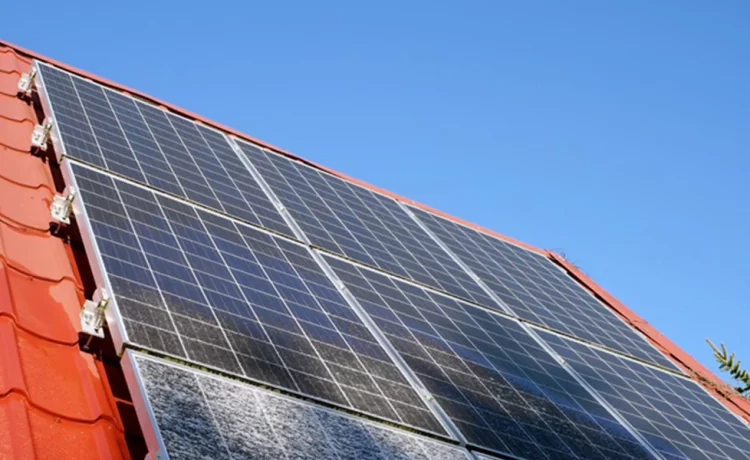
Going for solar in Ringwood or anywhere in Melbourne is a savvy way to help shave a few dollars off your energy bills as well as reduce your carbon footprint. But going solar is not just about panels and inverters. There are also upgrades you’ll need to make to parts of your electrical system to ensure it all runs properly and safely.
As you get ready to begin, remember that it is advisable to consult a licensed electrician. They will also help you determine if your system will be able to accommodate the changes associated with solar.
1. Modernise Your Switchboard
Old switchboards are often not able to handle the requirements of solar power. If you live in one of the older homes in Ringwood, you probably will require a new one featuring circuit breakers along with surge protection. This can help avoid overloads and ensures your solar system is Australia Standards compliant. A new switchboard will cost somewhere between $1,000–$2,500.
2. Pick the Right Inverter
The inverter converts solar energy into electrical power that can be utilized by your home. A decent unit is priced at around $1,000–$3,000. If you’re thinking of bolting on battery storage down the line, a hybrid inverter is a good bet. Store it in a cool, shaded area to prevent overheating in the warmer months of Melbourne.
3. Rewire Older Homes
Solar installations pose a potential additional load on your home’s wiring. If your property has older cables, and especially if they are aluminium, you may need to install new copper wiring. That is for safety and to decrease risk of a short. You should anticipate that rewiring costs will range from $500 to $2,000, based on the dimensions of your residence.
4. Get Battery-Ready
That new battery storage capacity can do you some good in the future, but only if you plan your electrical system setup now. Energy direction and enhanced flow requires a dedicated circuit and a smart meter. Products such as the Tesla Powerwall are excellent for holding extra solar power. Discuss with your electrician Ringwood how you can future-proof your installation.
5. Install Safety Switches
All solar systems now must have safety switches, or RCDs. They immediately disconnect the power at the first indication of a fault. At between $100–$300, they’re an extra level of protection, which is key for places such as Ringwood where moisture can get into wiring.
6. Upgrade to a Smart Meter
In order to be paid feed-in tariffs and monitor how much energy you’re sending back to the grid, a smart meter is a must. These typically cost $200–$600. Melbourne majority of energy retailers may require the reverse metering to measure export and import power.
You can also track your usage in real time, and adjust habits to save even more. Early upgrades are better because you won’t have to wait to connect your solar system on the grid.
7. Book a Compliance Inspection
Following the installation of your system, you will need to have a compliance check. To sign legally on the grid, you will need a Certificate of Electrical Safety (COES). This inspection goes through everything from grounding to inverter installation. It’s not a final step, but it’s an essential one.
Final Thoughts
Solar power is a very good investment — if done the right way. These updates make your system safe, efficient and up to compliance from your switchboards and beyond. Professional solar installation should include an inspection on the factors unique to your home.
Do not only think about the panels when designing your system. Your solar installation Ringwood professionals should help you bring everything up to code so that your purchase pays off for years to come.