







Windows rarely fail at a convenient time, and the price of fixing them can feel opaque without a clear roadmap. In 2025, supply trends, skilled labor availability, and evolving energy standards all shape what you’ll pay—and why. This guide demystifies the numbers so you can anticipate costs, compare options, and choose a path that matches your home’s needs and budget. We’ll break down repairs by window type, explain how materials and labor drive pricing, and weigh repair versus replacement with a focus on long-term savings. You’ll also get practical insights on DIY options, energy-efficient upgrades, and regional price differences, including how to benchmark quotes from trusted providers like https://apexwindowwerks.com/. By the end, you’ll understand where each dollar goes and how to control your Window Repair Cost without sacrificing performance.
Breaking Down Typical Repair Costs by Window Type
Most homeowners discover that pricing varies widely by window type, glass construction, and accessibility. Single-hung and double-hung units are the most common and often the most economical to fix, especially for sash cord replacements, balance repairs, and minor glass work. Expect typical double-hung repairs to land between $150 and $400, while single-pane glass replacement may range from $100 to $200 per opening. Casement windows introduce crank hardware and hinge systems, with common repair tickets between $175 and $350 depending on hardware quality and whether the sash must be removed. Sliding windows tend to be simple mechanically, but track damage, roller replacements, and aligned reinstallation can push jobs into the $150 to $300 range.
Typical cost examples homeowners see most often
Picture windows rarely include operable parts, so repairs usually focus on glass replacement or seal failure; insulated glass unit swaps for standard sizes often fall between $200 and $500. Bay and bow windows can be pricier because they integrate multiple panels, angles, and trim; localized fixes may be $250 to $600, while complex refitting can exceed that range. Skylights demand specialized flashing and safety precautions, and repairs like gasket renewal or insulated glass replacement commonly run $300 to $700. Specialty glass—tempered, laminated, or custom shapes—adds a surcharge: tempered safety glass may increase the price by 20% to 50% over standard annealed panes. The complexity of the frame (vinyl, aluminum, wood, or fiberglass) and onsite conditions (second-story access, storm damage) will nudge these ranges up or down.
Factors That Influence Labor and Material Expenses
Repair pricing typically splits into two buckets: materials and labor, and both have seen modest increases through 2025. On the material side, insulated glass units (IGUs) are the main driver; double-pane replacements with low-E coatings and argon fill cost more than basic glass, but they also maintain better comfort and efficiency. Wood frames need specialized care, including rot consolidation or dutchman patches, which push material costs higher than vinyl or aluminum. Hardware is another variable: high-quality casement cranks, friction hinges, and sash balances vary widely by brand and compatibility. Labor charges reflect technician expertise, travel, and time on site, with many providers applying a minimum service fee to cover mobilization and diagnostic work.
The hidden multipliers homeowners often overlook
Access and safety multiply labor time more than anything else—second-story repairs, ladder setups, and interior protection add real minutes to the clock. Emergency appointments, weekend scheduling, or weather-dependent work (especially for skylights and coastal homes) often carry surcharges. Disposal of old glass, lead-safe practices in pre-1978 homes, and restoring interior finishes can introduce line items that aren’t obvious at first glance. When historic windows are involved, expect hand-milled sash parts or meticulous glazing restoration to increase both material and labor costs due to preservation standards. Finally, small but important consumables—sealants, setting blocks, glazing points, and warm-edge spacers—can influence the final number, especially across multiple openings.
When to Repair vs. Replace for Better Long-Term Savings
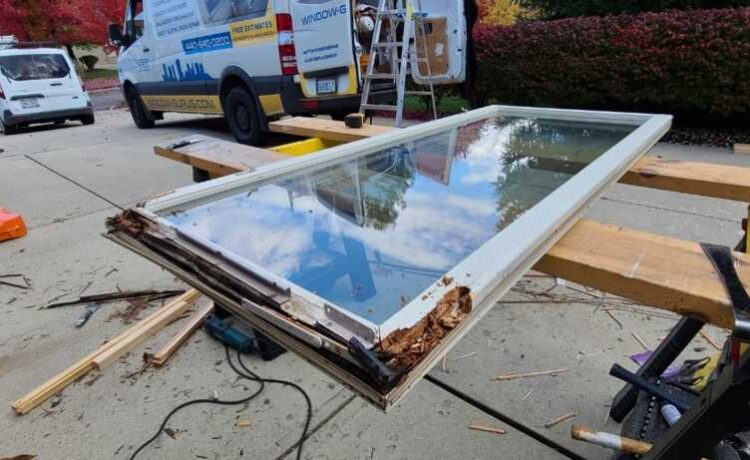
Choosing between repair and replacement hinges on the window’s age, performance, and structural health. If the frame is sound and the problem is localized—like fogged glass from a failed seal, a broken crank, or worn weatherstripping—repair is often the most cost-effective solution. On the other hand, recurring leaks, persistent drafts, or widespread wood rot can indicate systemic issues that repairs won’t fully resolve. Energy bills provide another clue: if the home has older single-pane windows or inefficient, damaged IGUs, upgrading select units can yield measurable savings over the next few heating and cooling seasons. A practical guideline many households use is this: if the repair approaches 40% to 50% of a comparable-quality replacement and the unit is nearing end-of-life, replacement may be smarter.
A practical decision framework you can apply today
Start by assessing whether issues are cosmetic or performance-based; cracked putty is cosmetic, but sash misalignment and air infiltration undermine comfort and energy costs. Evaluate the window’s age and warranty status, which may cover IGU fogging or hardware failures for specific periods. Check the frame: soft, punky wood or warped vinyl indicates structural decline, whereas solid frames merit targeted repairs. Add up recurring service calls; if you’re fixing the same opening repeatedly, a full unit or sash replacement can stop the cycle. When in doubt, solicit comparative quotes—including repair and replacement—from a reputable resource such as https://apexwindowwerks.com/ to see real-world price deltas before committing.
DIY Repairs Compared to Professional Restoration Services
DIY can be a sensible path for straightforward tasks, especially if you’re comfortable with tools and safety gear. Weatherstripping replacement, sash track cleaning, silicone caulking, and minor hardware swaps are approachable projects that can restore function quickly. Traditional wood windows allow skilled DIYers to re-glaze panes, replace parting beads, or tighten joints with minimal investment. However, replacing insulated glass, rehanging heavy sashes, or addressing water intrusion at cladding and flashing is more complex than it looks. Mistakes can lead to broken seals, leaks that cause interior damage, or unsafe installations—creating higher downstream costs than hiring a pro.
Skills, tools, and safety considerations that matter
Professional technicians bring specialized tools—glass suction cups, angle grinders with glazing wheels, oscillating tools, and proper shimming gear—that make delicate work safer and faster. Handling tempered or laminated glass requires caution, as improper cuts or stress points can cause catastrophic failure. Pros also understand how to bed IGUs correctly, use the right sealants for different materials, and ensure drainage paths remain open in the frame. Many services provide workmanship warranties that protect you if a repair fails prematurely, something DIY cannot guarantee. For higher-stakes work, or if you lack time and tools, comparing quotes from established providers like https://apexwindowwerks.com/ is often the safer and ultimately cheaper route.
How Energy-Efficient Upgrades Offset Future Costs
Energy-focused repairs and upgrades can lower utility bills enough to soften or even recoup the upfront expense over time. Replacing fogged IGUs with low-E, argon-filled units improves insulation and comfort, reducing HVAC run time in both summer and winter. Installing warm-edge spacers can mitigate condensation at glass edges, protect interior finishes, and extend the life of surrounding materials. Even modest steps—like upgrading weatherstripping, tuning sash balances to ensure a proper seal, or adding interior storm panels—can make a noticeable difference. In colder climates, these improvements have faster payback periods because temperature extremes magnify energy losses.
Short-term fixes versus high-value improvements
If you’re on a tight budget, prioritize sealing and weatherstripping first; these are quick wins with immediate comfort benefits. Next, target the worst-performing windows for IGU replacement rather than tackling the entire house at once; this phased approach maximizes ROI while spreading costs. For homeowners planning to stay put, stepping up to laminated or triple-pane IGUs in a few critical rooms can reduce noise, improve safety, and cut energy load, all of which add value. Pair upgrades with proper attic insulation and HVAC tuning to multiply the savings. Over a 3- to 7-year horizon, many energy-minded repairs effectively “pay for themselves,” lowering the total Window Repair Cost of ownership.
Regional Price Variations in the 2025 Window Market
Repair costs don’t move in lockstep across the country; they respond to local labor markets, building codes, and demand cycles. Urban areas with high living costs and strong demand tend to carry higher labor rates, while rural markets may offer lower hourly pricing but longer lead times. Coastal regions and hurricane zones often require impact-rated glass or specialized hardware, adding premium material costs to even modest repairs. In colder climates, low-E coatings and gas fills are standard practice, which raises IGU replacement prices but also delivers superior performance. Seasonal swings matter too: spring and early summer often book out quickly, and rush jobs during peak months can come with surcharges.
How to interpret and benchmark your quotes
When you review estimates, separate material line items from labor and ask about minimum service fees or trip charges to understand the baseline. Confirm whether disposal, interior touch-ups, and lead-safe practices are included to avoid surprise add-ons. If a quote seems unusually low, verify that the glass specs match your needs—thickness, low-E type, spacer quality, and gas fill—since these details drive both price and performance. Compare at least two or three quotes to see the local range and ask for an explanation of any large deviations. A reputable provider will gladly walk you through the numbers and choices, helping you balance cost with longevity and efficiency.
Budgeting Tips to Maintain Window Performance Year-Round
Smart budgeting spreads costs across the year while preventing small problems from becoming expensive emergencies. Begin with an annual inspection just before peak heating or cooling seasons; spotting failed seals, stiff cranks, or loose weatherstripping early keeps repair tickets small. Build a repair reserve—many homeowners set aside a modest monthly amount—so you’re prepared for glass breaks or hardware failures. When multiple windows need work, bundling repairs can reduce per-unit labor and spread trip fees across more openings. Keep documentation for warranties and service history, as this can unlock coverage benefits and inform proactive maintenance.
Practical strategies to stretch every dollar
Prioritize fixes that protect the envelope first: water intrusion, rot, and air leaks deserve top billing because they cause compounding damage. Consider a phased plan for IGU upgrades in the noisiest, sunniest, or draftiest rooms to balance comfort gains with cost control. Track seasonal promotions from local firms and ask about refurbished hardware options for compatible windows. If you’re uncertain about scope, request a repair-versus-replace comparison from a trusted estimator; experienced teams, including those at https://apexwindowwerks.com/, will outline both paths clearly so you can choose with confidence. Used judiciously, these tactics keep your Window Repair Cost predictable while sustaining curb appeal, efficiency, and long-term property value.