








Introduction
When a storm tears through North Texas, most homeowners think about the roof first and the insurance policy second. That order is backwards. The wording of your policy decides how much help you actually get, and it is far easier to read it before the hail arrives than after. A local contractor like Pinnacle Roofing, Remodel and Construction LLC deals with storm damage and the claims that follow, so this guide covers what homeowners need to understand: how coverage works, what happens after damage, and how to avoid common mistakes.
Why the Roof Is the Center of the Conversation
Your First Line of Defense
The Texas Department of Insurance calls the roof your home’s first line of defense against severe weather, and notes that in Texas a roof can take a real beating. Hail, high winds, and falling limbs all hit the roof first, and water that gets through the roof damages everything underneath it.
Why Coverage Details Matter
Roof claims are among the most common and most misunderstood. Two homeowners with similar damage can receive very different payments depending on their policy terms, the age of the roof, and how the claim is handled.
Your Policy in Plain English
Replacement Cost vs Actual Cash Value
The Texas Department of Insurance explains two types of roof coverage:
- Replacement cost coverage pays up to the full cost to repair or replace your roof at current prices.
- Actual cash value coverage pays less if the roof is older or showing wear.
Watch for Changes at Renewal
The agency advises checking for changes to your roof coverage whenever your policy renews. As roofs age, some companies switch to actual cash value, and if the roof is in poor condition, a company might not cover it at all. Your company should tell you when they change your coverage, so read the renewal paperwork rather than filing it away.
Know Your Deductible
A deductible is the amount you pay before the company pays. TDI recommends asking your agent whether the deductible for wind and hail damage differs from the deductible for other types of damage. If it does, you could pay more out of pocket after a storm. Knowing the number in advance helps you budget and decide how to respond to smaller damage.
When Damage Happens
What You Can File For
According to TDI, you can file a claim if a storm, a tree, or something else damages your roof. It is a good idea to document everything and contact your insurance company promptly rather than waiting.
Practical First Steps
- Make sure everyone is safe and stay off a damaged roof.
- Take dated photos and video of the damage inside and outside the home.
- Protect the property from further damage, for example with a temporary tarp, and keep receipts.
- Contact your insurance company or agent to start the claim.
- Get a qualified roof inspection so the damage is described in writing.
- Keep a record of every conversation, including names and dates.
How Payment Typically Works
The Two Check Process
TDI explains that if you have replacement cost coverage, the company will pay with two checks. The first is a partial payment. The company sends the rest of the claim amount after you have started repairs. Plan your cash flow with that in mind, and ask your insurer to explain the timing of both payments.
Age Alone Is Not Covered
The agency is clear on one point: your insurance company will not pay for a new roof just because it is old or worn out. Coverage responds to damage from covered events, not to normal aging. A roof can have both covered storm damage and ordinary wear, and a good inspection helps separate the two.
Choosing Materials Wisely
Think About the Next Storm
When you replace a roof, TDI suggests considering materials less likely to be damaged by wind, hail, or fire, and notes that your insurance company might give you a discount for using them. Ask your agent which materials qualify before you choose, and ask your contractor about options that suit both your budget and your climate.
Hiring a Contractor Wisely
After a Storm, Scams Follow
Storms attract both honest professionals and opportunists. TDI links to separate guidance on hiring a good contractor and avoiding scams, and it also has a page addressing whether a contractor can waive your deductible. Read those before signing anything.
Questions to Ask
- Are you licensed, insured, and local, and can you provide references?
- Will you give me a written estimate and scope of work?
- Who handles permits, and will you explain what is covered?
- How will you document the work for my insurance company?
- What warranty do you provide on materials and workmanship?
Warning Signs
- Pressure to sign immediately or pay in full upfront
- Door to door offers right after a storm with no verifiable local address
- Promises to cover or waive your deductible without explanation
- No written contract or estimate
Keep Your Roof in Shape Before the Next Storm
TDI’s Maintenance Checklist
TDI notes that your insurance company will inspect your roof when you apply for coverage, and may charge more or refuse to insure based on what they see. The agency recommends:
- Removing tree limbs hanging over or near the roof
- Checking for missing or damaged shingles after a storm
- Checking the chimney for loose bricks
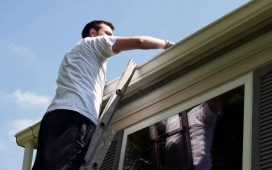
- Keeping gutters clean so water does not damage the roof
- Hiring a roof inspector every few years to find issues early
A Quick Homeowner Checklist
Do This Now
- Read your declarations page and roof coverage terms
- Find your wind and hail deductible
- Take dated photos of your roof and home exterior in good condition
- Save the numbers for your insurer, agent, and a trusted local roofer
Do This After Damage
Conclusion
A roof and a homeowners policy work as a pair, and the better you understand both, the smoother things go when the weather turns. Know whether you have replacement cost or actual cash value coverage, understand your deductible, document damage quickly, and choose contractors carefully. Do those few things and you will be far better prepared to protect your home and your budget after the next storm.