








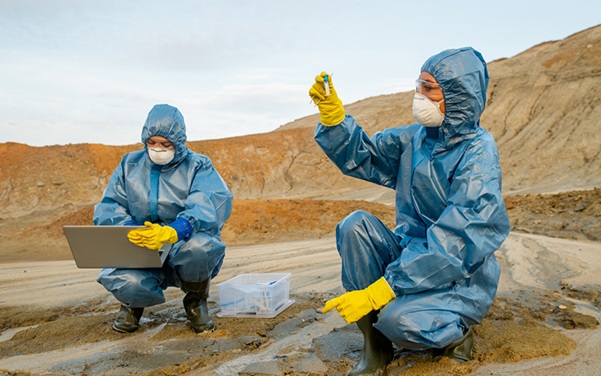
A chemical spill in the workplace can present immediate dangers to health, property, and the environment. The correct response requires clear procedures, proper training, and the right protective equipment. Regardless of the size or nature of the chemical, delaying action increases risks. Understanding how to execute chemical decontamination procedures methodically ensures that spills are managed quickly and safely, minimising exposure and operational disruption.
Step 1: Assess the Situation Immediately
When a spill occurs, the first action is to assess the scene without entering the contaminated area. Workers must identify the type of chemical, the amount spilt and any immediate hazards such as fumes, fire, or reactivity. If the substance is unknown or presents an inhalation risk, responders must avoid the area until trained personnel arrive.
Evacuate the immediate vicinity if necessary, particularly if the spill involves corrosive, flammable, or toxic materials. Supervisors should activate the emergency response plan and ensure that untrained individuals do not attempt to clean the spill. Accurate initial assessment prevents escalation and informs the next steps in containment and chemical decontamination.
Step 2: Initiate Containment Procedures
Contain the spill quickly to prevent it from spreading. Use absorbent pads, neutralisers, or spill kits based on the chemical’s properties. Block off drains and isolate the area using physical barriers or tape. If the material is volatile or produces harmful vapours, increase ventilation if it’s safe to do so.
The goal at this stage is to limit exposure and environmental contamination. Personnel involved in containment must wear appropriate PPE, including gloves, goggles, and chemical-resistant clothing. Proper containment ensures that the chemical spill remains localised and manageable, reducing the potential for further damage or cleanup complications.
Step 3: Notify Appropriate Personnel
Once the professionals contain the spill, notify relevant internal and external parties. This includes the workplace safety officer, emergency response team, and, if necessary, external environmental agencies. Provide clear details: what chemical was involved, the estimated quantity, and whether injuries or exposure occurred.
Detailed documentation supports both regulatory compliance and future risk management. Maintain records of the spill’s cause, the response steps taken, and any injuries reported. This information helps evaluate whether they followed procedures and if any part of the emergency plan requires updating.
Step 4: Begin Chemical Decontamination
Chemical decontamination involves removing residual hazards from surfaces, tools, and protective equipment. Depending on the chemical, responders may use neutralising agents, industrial cleaning solutions, or specialised equipment. Professionals in damage restoration services must scrub and rinse surfaces thoroughly with safe solvents or water.
All contaminated materials, including absorbents, tools, and PPE, must be disposed of. Workers should inspect the area after cleaning to ensure no residue remains. Effective decontamination prevents secondary exposure and allows the safe resumption of operations.
Step 5: Conduct a Post-Incident Review
After the cleanup, conduct a full review of the incident. Investigate the root cause. Was it a handling error, equipment failure, or storage issue? Use this information to adjust procedures, retrain employees, or improve storage and labelling practices.
This review should also verify whether the response team had sufficient resources and whether they followed the spill response plan correctly. Periodic drills and audits help reinforce preparedness and reduce future risk. Responding to a chemical spill doesn’t end with cleaning; it continues with prevention and continuous improvement.
Step 6: Ensure Worker Health and Safety Post-Spill
After a spill is contained and chemical decontamination is complete, it’s critical to evaluate the health and safety of all personnel involved. Workers exposed to hazardous substances should undergo medical checks, even if symptoms are not immediately visible. Chemical exposure can have delayed effects, especially through inhalation or skin absorption.
You should also debrief staff to assess mental readiness, address concerns, and reinforce confidence in safety procedures. If gaps in training, communication, or PPE use are identified, resolve them immediately. Protecting your team after the incident is just as important as responding effectively during the spill.
Conclusion
Proper response to a chemical spill requires fast assessment, effective containment, prompt communication, and thorough chemical decontamination. Every step protects workers, preserves property, and ensures compliance with safety standards. Consistent training and readiness make all the difference when an emergency strikes.
Contact BELFOR Restoration Services for expert decontamination support and reliable spill response solutions.